

Mientras el Reino Unido y la UE debaten cómo obtener las enormes cantidades de electricidad que necesitarán para impulsar sus ambiciosas visiones de inteligencia artificial (IA) de producción nacional , el sector de las turbinas de gas confía en que los gobiernos pronto seguirán el ejemplo de Estados Unidos , allanando el camino para que las grandes empresas tecnológicas adopten el gas natural.
“Tarde o temprano, la UE recibirá una llamada de atención”, declaró Francesco Ciccola, del fabricante estadounidense de turbinas de gas Mitsubishi Power Aero.
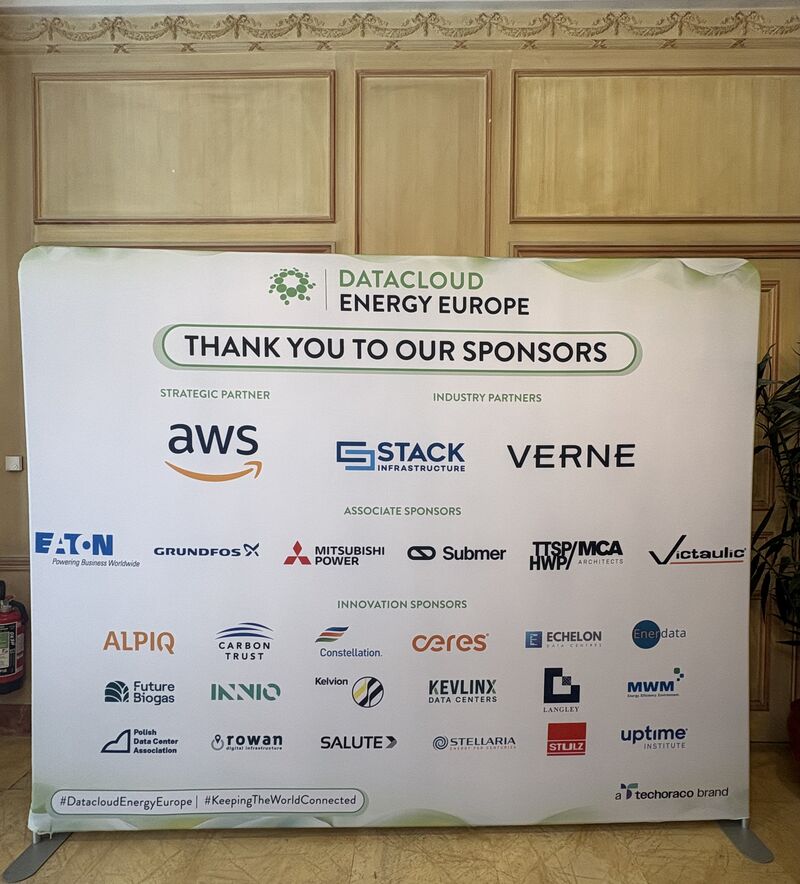
DeSmog habló con Ciccola el mes pasado en Datacloud Energy Europe , una conferencia sobre tecnología energética dedicada a "definir la estrategia energética de IA de Europa", celebrada en Bruselas, Bélgica.
Global Energy Monitor, un grupo de investigación y defensa con sede en San Francisco que realiza un seguimiento de la evolución mundial de los combustibles fósiles relacionados con los centros de datos, afirma que Mitsubishi Power Aero es un importante proveedor de turbinas para el auge de la IA en Estados Unidos.
“Esta nueva administración en Estados Unidos te da un baño de realidad”, dijo Ciccola, director de ventas en Europa del fabricante que patrocinó la conferencia. “Es típico este desfase temporal entre Estados Unidos y Europa en todo”.
Tras el evento, Ciccola declaró a DeSmog que “la misión de Mitsubishi Power es ayudar a crear un futuro que funcione para las personas y el planeta mediante el desarrollo de soluciones energéticas innovadoras que apoyen la descarbonización y, al mismo tiempo, proporcionen energía fiable”.
Añadió: “Cualquier comentario realizado en Datacloud Energy Europe tenía como objetivo describir las condiciones observadas del mercado y la demanda de los clientes, no comentar ni abogar por ningún enfoque político o regulatorio.
“Mitsubishi Power Aero opera cumpliendo plenamente con todos los permisos, la planificación y los requisitos reglamentarios aplicables en cada jurisdicción donde realizamos negocios. Las referencias a las diferencias entre mercados se referían únicamente a la dinámica de la demanda y los plazos.”
En todo Estados Unidos, el presidente Donald Trump ha defendido la IA alimentada por combustibles fósiles, mientras que los gigantes tecnológicos están planificando, construyendo y operando sus propios complejos de centros de datos de IA, gigantescos y voraces en energía, que utilizan centrales eléctricas de gas aisladas de la red.
Empresas tecnológicas como Meta , Google , Microsoft , OpenAI , Nvidia y xAI están planificando o construyendo flotas de turbinas de gas que generarán al menos 23 gigavatios (GW) de electricidad, según un análisis de Cleanview, aproximadamente el doble de lo que consume la ciudad de Nueva York.
Esta ofensiva estadounidense de construcción de IA ha llegado en un momento crucial. costo enorme al clima, disparando las emisiones de carbono de la industria tecnológica y el impulso uno gigante tecnológico después una alternativa, a abandonar sus compromisos climáticos.
¿Ahora le toca a Europa?
Crédito: Datacloud / LinkedIn
«Creo que el mercado estadounidense nos lleva ventaja y que aquí va a ocurrir lo mismo», declaró un representante de ventas de turbinas del fabricante británico Langley Holdings, que también patrocinó la conferencia Datacloud del 25 al 26 de marzo y vende principalmente en el Reino Unido. «Simplemente llevará un poco más de tiempo y será un poco más difícil porque cada vez más gente dirá: "Un momento, no queremos quemar gases de efecto invernadero" » .
Un representante de ventas de MWM, la filial europea del fabricante estadounidense de generadores de gas Caterpillar, que pidió permanecer en el anonimato, declaró a DeSmog que la empresa, otro de los patrocinadores de la cumbre, confía plenamente en que la IA alimentada por gas llegará al Reino Unido.
El representante dijo que MWM está trabajando en “numerosos” proyectos en Europa y el Reino Unido, cada uno capaz de generar hasta 100 megavatios (MW). Los proyectos están “tomando forma más concreta” en comparación con el año pasado, dijeron, con “proyectos reales” que se están materializando en Alemania y el Reino Unido.
Se contactó con MWM y Langley Holdings para obtener sus comentarios.
La cumbre de Datacloud tuvo lugar en un momento crucial. La función de EU y UK tienen previsto desvelar nuevos reglamentos eso determinará hasta qué punto los nuevos centros de datos de IA pueden construir plantas de gas fuera de la red para alimentar sus operaciones, y mientras los fabricantes de turbinas de gas informan sobre el orden mundial atrasos en marcha hasta 2030.
Los organizadores de Datacloud prometieron que la cumbre, en la que participaron líderes del sector tecnológico y energético, representantes de la industria de turbinas de gas y políticos europeos, "influiría en miles de millones en inversiones" y "reconfiguraría las vías regulatorias".
El resultado fue un acalorado debate de dos días en el que altos cargos del mundo de la IA y la energía se enfrentaron por ver si los centros de datos en Europa se construirían utilizando combustibles fósiles.
«Tenemos que afrontar la realidad: existe un riesgo real de gasificación para los centros de datos», declaró el eurodiputado Nicolás González Casares, miembro de la Comisión de Industria, Investigación y Energía del Parlamento Europeo. «No podemos gasificar este sector. Los centros de datos deben convertirse en un motor de la transición ecológica».
«Sin planeta, no hay centro de datos», afirmó Neal Kalita, director sénior de energía global de NTT Global Data Centres, el tercer operador de centros de datos más grande del mundo. «Convertirse en un continente que desarrolla una infraestructura digital que no destruya el planeta no solo será una ventaja competitiva, sino una necesidad imperiosa».
Si los gobiernos lo permiten, impulsar el auge de la IA en Europa con gas podría ser una opción viable. diezmar Objetivos de cero neto. Un reciente de clientes Según un informe de Carbon Brief, si el Reino Unido depende en gran medida del gas para alimentar sus centros de datos, el sector de la IA emitiría 30 toneladas métricas de carbono al año para 2035, tanto como Dinamarca en su totalidad. Cualquier aumento en las emisiones alejará aún más al Reino Unido de su objetivo de reducirlas en un 81 % con respecto a los niveles de 1990 para 2035.
Las ambiciones de la UE en materia de IA serían demanda hasta 168 teravatios-hora (TWh) de energía para 2030, según proyecciones del Instituto Kiel, equivalente a lo que Polonia consume cada año. Si se alimenta con energías no renovables, el informe advierte, Los centros de datos pondrán en riesgo los objetivos climáticos de la UE.
¿Triunfarán los defensores del gas? Europa está a punto de tomar esa decisión.
¿Ataque de IA europea?
Tanto el Reino Unido como la UE han anunciado planes. a triple su capacidad de IA – en el UK para 2030 y el EU Para 2035. Estas promesas han desencadenado una avalancha de construcciones de centros de datos en toda Europa.
Sin embargo, años de duración tiempos de espera a se unen Los nuevos proyectos de centros de datos de IA para redes eléctricas han impulsado a muchos desarrolladores a intentar saltarse la cola solicitando conexiones directas al gas. En el último año, empresas incluidas NvidiaMicrosoft y Amazon tienen presionado El gobierno del Reino Unido deberá aprobar flotas de turbinas y generadores de gas privados para sus proyectos en Gran Bretaña.
En esa misma línea, en los últimos meses han comenzado a surgir en toda Europa proyectos de centros de datos autónomos alimentados por gas.
Irlanda, que tiene desde hace mucho tiempo abrazado El desarrollo de centros de datos se está convirtiendo en un indicador de alerta temprana. En 2024, los centros de datos consumido 6,969 gigavatios-hora (GWh), el 22 por ciento del consumo total de electricidad del país. La energía generada con gas fuera de la red está llegando para aliviar esta crisis energética.
El mes pasado, la empresa británica AVK, especializada en energía fuera de la red, junto con el operador de centros de datos Pure Data Centres, anunció la finalización del primer centro de datos en Dublín alimentado por turbinas de gas dedicadas, capaces de producir 90 MW, energía suficiente para abastecer a 100,000 hogares durante un año. Si bien AVK afirma que las turbinas podrían funcionar teóricamente con aceite vegetal hidrotratado renovable, actualmente utilizan gas natural como combustible principal. Ninguna de las empresas ha proporcionado un cronograma para la transición de las turbinas a combustibles renovables.
¿Darán los gobiernos luz verde a los proyectos europeos de IA alimentados con gas? Los activistas están preocupados por la confianza de la industria de las turbinas de gas ante esta posibilidad.
«La industria del gas ve claramente en los centros de datos [europeos] un mercado en auge, lo cual es una señal preocupante de la aparente apatía gubernamental hacia las implicaciones climáticas», declaró Oliver Hayes, responsable de las grandes empresas tecnológicas del grupo ecologista Global Action Plan. «Utilizar la IA como excusa para dar nueva vida a proyectos destructivos de petróleo y gas no es ni bienvenido ni sensato».
¿Funciona con gas y está aprobado por el gobierno?
Existen indicios de que Gran Bretaña podría apostar por la inteligencia artificial alimentada por gas, incluso si ello supone una catástrofe para sus objetivos climáticos.
Future Energy Network, que representa a los operadores de gasoductos del Reino Unido, declaró a The Times que siete proyectos de centros de datos ya han recibido la autorización para conectarse a la red de gas.
En marzo, el gobierno laborista dio su aprobación para que un proyecto de centro de datos de 300 MW alimentado por gas en Wapseys Wood, Buckinghamshire, solicitara el permiso de construcción como infraestructura de importancia nacional , lo que permite que los proyectos eludan los requisitos de planificación locales habituales.
Hay indicios de que la opinión pública europea no apoya este tipo de desarrollo. Según una encuesta realizada en octubre por el grupo activista Beyond Fossil Fuels, dos tercios de los ciudadanos de la Unión Europea no quieren centros de datos alimentados con combustibles fósiles.
Los europeos “no quieren asumir los costes” del suministro eléctrico a los centros de datos, afirmó Jill McArdle, activista de Beyond Fossil Fuels. Añadió que la oposición de los estadounidenses al fuerte aumento de los precios de la energía “debería servir de advertencia para Europa”.
«La guerra entre Estados Unidos e Irán está poniendo al descubierto la excesiva dependencia de los países europeos de las importaciones extranjeras de combustibles fósiles, inestables y costosas», declaró McArdle. «Sin embargo, las grandes tecnológicas y la industria del gas [equipos energéticos] están conspirando para mantenernos enganchados y aumentar sus beneficios».
Pronto podría quedar más claro si los legisladores de la UE o del Reino Unido están de acuerdo. La UE tiene previsto publicar dos nuevas regulaciones sobre IA en los próximos meses: una nueva ley que sea esperado incluir disposiciones sobre los requisitos de energía renovable para los centros de datos y la sostenibilidad de los centros de datos. esquema de calificación.
En el Reino Unido, a principios de este año, el gobierno laborista lanzó una consulta en los futuros impactos climáticos de los centros de datos. El secretario de Energía y Cero Netos, Ed Miliband, ya dijo Estos impactos son “intrínsecamente inciertos”.
En respuesta a una solicitud de comentarios, el Partido Laborista afirmó que su Consejo de Energía para la IA, de reciente creación, está "explorando oportunidades para atraer inversiones y apoyar el desarrollo de energía limpia para centros de datos", y que la designación por parte del país de cinco "Zonas de Crecimiento de la IA" está "impulsando estas colaboraciones".
Este mismo consejo presionó al gobierno el año pasado para que apoyara el uso de gas fuera de la red para los centros de datos en Gran Bretaña.
Hasta ahora, muchos operadores de centros de datos en Europa han evitado informar sobre su consumo energético. Una nueva investigación de Investigate Europe, un grupo periodístico independiente, ha revelado que las empresas tecnológicas estadounidenses presionaron con éxito a la UE hace dos años para mantener en secreto la información sobre las operaciones de los centros de datos individuales, incluidos datos ambientales como el consumo de energía y las emisiones de carbono. Solo el 36 % de los centros de datos europeos presentaron datos para el informe de la Comisión Europea de 2025 sobre su consumo energético. En los Países Bajos, Microsoft y Google han sido criticados por no informar al gobierno sobre el consumo energético de sus centros de datos neerlandeses.
McArdle afirmó que los gobiernos del Reino Unido y la UE deben intervenir para garantizar que el sector rinda cuentas. «Solo la regulación y la eliminación progresiva de los combustibles fósiles protegerán a los europeos del aumento de los costes energéticos», declaró. «De lo contrario, pagaremos las consecuencias de las prácticas ambiciosas e irresponsables de las grandes tecnológicas y la industria del gas».