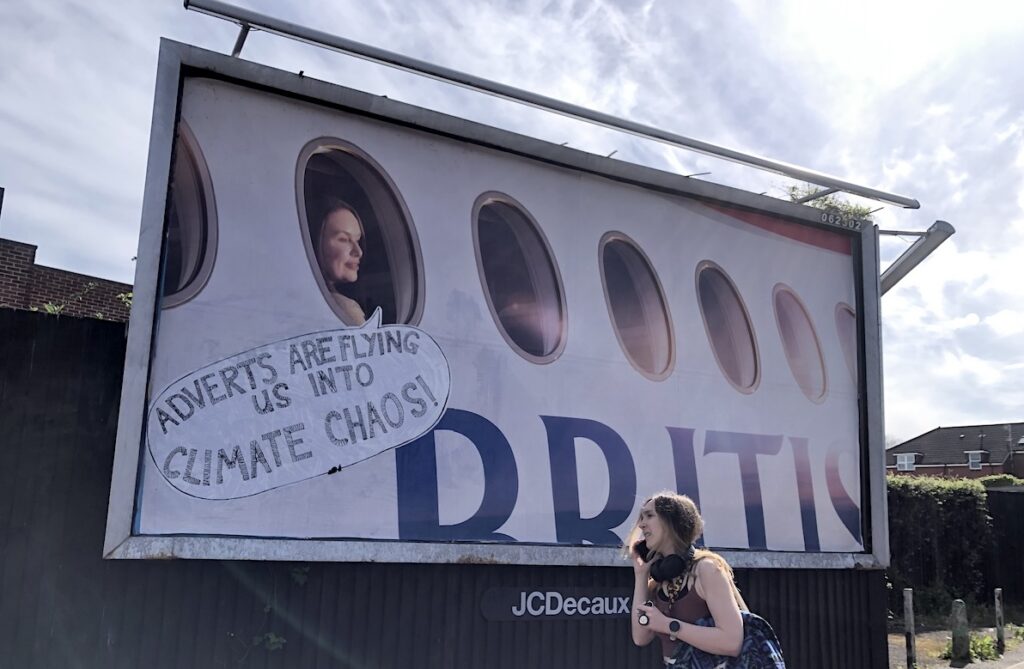

Mientras este largo y extremadamente caluroso verano de desastres antinaturales provocados por el cambio climático da paso a un otoño impredecible, una nueva serie de comedia apunta a uno de los mayores facilitadores de la industria de los combustibles fósiles: la industria de la publicidad y las relaciones públicas.
A lo largo de cinco breves episodios web, SLICK sigue a los empleados de una agencia creativa ficticia mientras intentan sacar provecho de los encargos de las grandes compañías petroleras que buscan distanciarse de la responsabilidad por el calentamiento del planeta y minimizar su papel en la dependencia de la economía global de los combustibles fósiles.
En un episodio, una vlogger de estilo de vida supera erupciones cutáneas y mareos para ensalzar los numerosos beneficios del petróleo crudo en productos para el cuidado de la piel y otros artículos. En otro, el personal de una agencia tiene la tarea de crear una presentación sobre captura y almacenamiento de carbono (CAC) para su último cliente de una gran petrolera, solo para descubrir que ninguno de ellos comprende realmente cómo funciona esta tecnología tan compleja.

Al centrarse en las agencias de publicidad y relaciones públicas que trabajan con los mayores contaminadores del mundo, las creadoras Jessie Bluedorn y Kylie Hollway esperan exponer cómo las empresas de combustibles fósiles utilizan la publicidad, los influencers y la cultura pop para mantener tanto la aceptación pública como los beneficios récord , a pesar de las crecientes consecuencias de la crisis climática para la vida, el sustento y el medio ambiente.
La serie se basa en la propia experiencia de Bluedorn como antiguo estratega de medios digitales en la agencia Digitas, propiedad de Publicis Groupe , así como en ejemplos de campañas reales de petróleo y gas, como la promoción "Fortnite" de Shell, que atrajo a los jugadores dándoles la oportunidad de repostar sus vehículos virtuales en las gasolineras de Shell, y "EnergyTown" de Equinor, un videojuego gratuito dirigido a niños que promueve el uso del petróleo y el gas.
El dúo ya ha dado grandes pasos hacia sus objetivos. SLICK es finalista en la categoría de Mejor Serie Digital en los premios Jackson Wild-Hollywood Climate Summit 2026, y fue galardonada como Mejor Serie Web en el Festival Internacional de Cortometrajes de Nueva York.
Bluedorn es el fundador de Carmack Productions, productora de la serie, y de The Carmack Collective, un fondo filantrópico que utiliza la cultura popular para generar apoyo e impulso en la lucha contra la industria de los combustibles fósiles. Holloway es escritor e intérprete, y su trabajo ha aparecido en McSweeney's, The Cut y Polygon de Vox Media. Los grupos ecologistas Clean Creatives y Creatives for Climate son socios oficiales de la serie.
Esta entrevista con la cocreadora Jessie Bluedorn se realizó por correo electrónico y ha sido editada para mayor brevedad y claridad.
DeSmog: Me pareció interesante que calificaras a la industria de la publicidad y las relaciones públicas como "villanos poco representados" en la historia del cambio climático. ¿Por qué crees que han evitado el escrutinio durante tanto tiempo?
Jessie Bludorn: Creo que hay varias razones. La principal es que operan entre bastidores. Rara vez pensamos en la infraestructura cultural y narrativa que da forma a los mensajes sociales, pero está ahí, en segundo plano.
Te has inspirado en campañas reales, como la activación de Shell en Fortnite y EnergyTown de Equinor. ¿Por qué te llamaron más la atención durante tu investigación?
Es increíble pensar que estemos en la década de 2020 y que las grandes petroleras puedan comunicarse con los niños a través de videojuegos. Tuve que comprobarlo varias veces para asegurarme de que no me estaba dejando engañar por noticias falsas, y creo que eso es precisamente lo que hace que estos ejemplos del programa sean tan impactantes. Los espectadores asumen que nos hemos inventado esta premisa descabellada, pero revelar que se trata de una sátira exagerada de un ejemplo demasiado real realmente impacta. Esperamos que ilustre la gravedad del problema e impulse la acción.
En la serie, los personajes no son simplemente villanos. ¿Por qué decidiste escribirlos de esta manera, para que el público pudiera identificarse con ellos?
Es la pura verdad. Creo que muy pocas personas que trabajan entre bastidores para las grandes petroleras son ideólogas. La mayoría solo intenta cumplir con su jornada laboral y cobrar su sueldo, pero eso no hace que su trabajo sea menos perjudicial para las personas y el planeta. Un factor importante que contribuye a la crisis climática en general, y al ecoblanqueo de las agencias de publicidad y relaciones públicas en particular, es la disposición de la gente a ignorar la situación y seguir como si nada. Es el concepto de Hannah Arendt sobre la banalidad del mal.
¿A quién esperas que llegue más esta serie?
Tengo la esperanza de que SLICK llegue a una audiencia online de creativos de la Generación Z y los Millennials, que bien podrían trabajar en alguna de las agencias que prestan servicios a las grandes petroleras. Se trata de una audiencia que, según los datos, está preocupada por la crisis climática, pero también por el alto costo de la vida. La gente está agotada, luchando por pagar la vivienda y mantener su cobertura médica; es posible que no quieran llegar a casa y leer las noticias ni pensar en cómo ser activistas en el trabajo.
¡Ahí es donde entra la comedia! Diseñamos SLICK para que fuera una serie centrada en el entretenimiento y creada para las redes sociales, que la gente disfrutará viendo en línea. Al verla y (con suerte) disfrutarla, saldrán mejor informados y con un camino más claro a seguir.
También espero que SLICK, como mínimo, haga que los espectadores empiecen a cuestionar las ideas preconcebidas sobre la industria de los combustibles fósiles. ¿Es realmente limpio el carbón limpio solo porque vi un anuncio? ¿Son las grandes petroleras realmente el futuro de la energía verde solo porque lo anunciaron en televisión? ¿O quizás hay una estrategia de marketing muy bien orquestada entre bastidores?

Para este proyecto, colaboraste con Clean Creatives y Creatives for Climate. ¿Cómo se involucraron y cómo contribuyeron a dar forma a la serie?
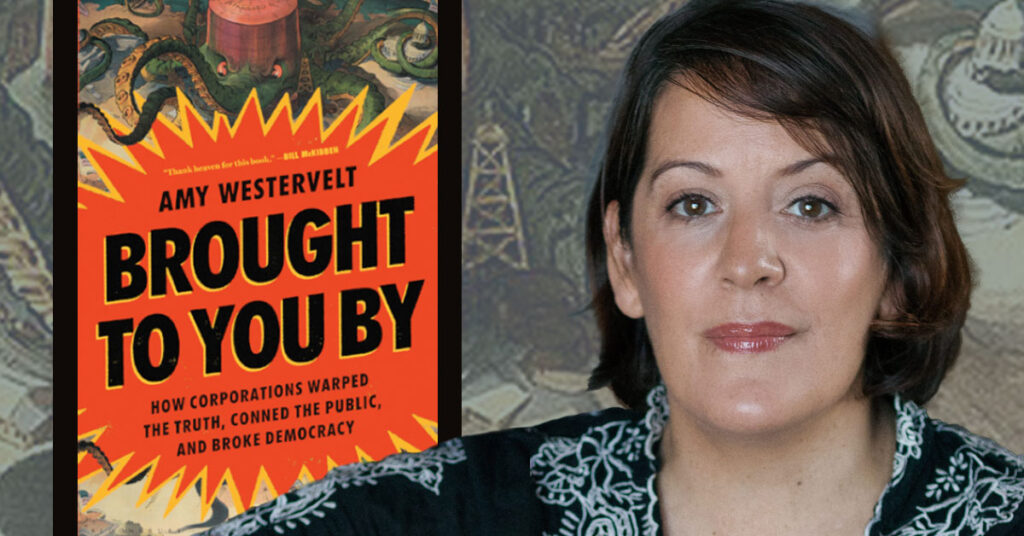
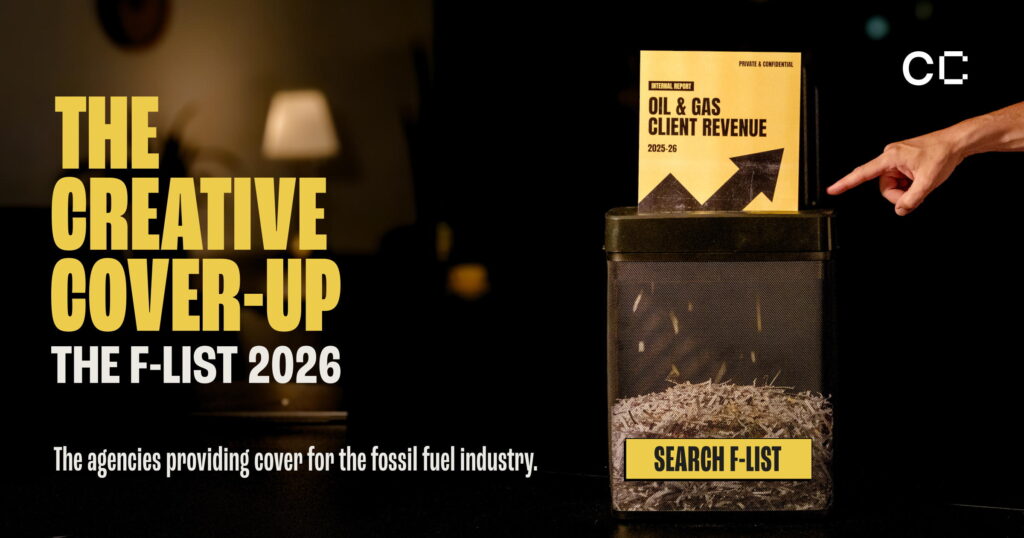
Nuestros socios colaboradores se unieron a SLICK una vez finalizado el programa, pero tras haber trabajado con ambos en el movimiento climático durante varios años, su trabajo me inspiró enormemente durante el desarrollo y la redacción de SLICK. El informe anual F-List de Clean Creatives , en particular, es una fuente de datos increíble sobre la complicidad de la industria publicitaria y de relaciones públicas. Al mencionar las fuentes de inspiración para el programa, no puedo dejar de agradecer también a Amy Westervelt. Su reportaje sobre «los magnates del petróleo » fue fundamental para comprender este tema.
¿Le has mostrado la serie a alguien más que trabaje en publicidad y relaciones públicas? ¿Cuáles fueron sus reacciones?
¡Algunas! Uno de los obstáculos (comprensibles) que mucha gente menciona es que no saben qué pueden hacer individualmente. Por eso, para nosotros era tan importante colaborar con Clean Creatives y Creatives for Climate. SLICK entretiene a la vez que pone de relieve el problema, y nuestra campaña de impacto dirige a los espectadores hacia herramientas y soluciones reales en las que pueden participar.
¿Qué esperas que reaccionen?
¡Tenemos que empezar a organizarnos dentro de nuestra agencia, ya mismo!