More PR Insight from an Early TASSC Master

authordefault
on

Here’s a great 2001 essay from the peer-reviewed American Journal of Public Health,ย  exploring the background of The Advancement of Sound Science Coalition (TASSC) and the effort by tobacco giant Philip Morris to build a coalition of corporations willing to launch an attack on any science that might lead to government regulation.

One of the authors, University of California at San Francisco cardiologist and professor of medicine Stanton Glantz, said during a session of the SEJ today that the TASSC scientific advisors have turned into โ€œmulti-pupose naysayers,โ€ and โ€œnow they’re mostly working on climate change.โ€

He recommended that any time you hear about a scientist denying climate change (or any other significant public health or environmental threat) that you plug their names into the tobacco papers website that he maintains at UC San Francisco: www.legacy.library.ucsf.edu. We tried Steve Milloy and got 103 hits.

Related Posts

on

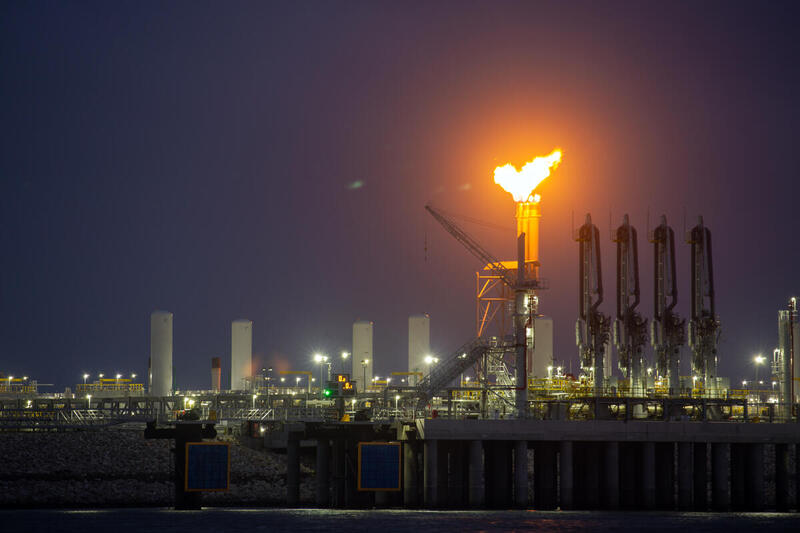
Record LNG exports to Europe pushing up prices for U.S. consumers even more than forecast.

Record LNG exports to Europe pushing up prices for U.S. consumers even more than forecast.
on

Off-shore industrial boats illegally harvest thousands of tonnes of small fish vital to the marine food web in Guinea-Bissau, a DeSmog investigation with The Guardian reveals.

Off-shore industrial boats illegally harvest thousands of tonnes of small fish vital to the marine food web in Guinea-Bissau, a DeSmog investigation with The Guardian reveals.
Analysis
on

First Nations are furious, environmentalists feel betrayed, oil companies are demanding more, and the clock is ticking.

First Nations are furious, environmentalists feel betrayed, oil companies are demanding more, and the clock is ticking.
on

The Mailโ€™s events business in the Middle East provides a quarter of its revenue. A previous Telegraph bid was rejected over petrostate influence fears.

The Mailโ€™s events business in the Middle East provides a quarter of its revenue. A previous Telegraph bid was rejected over petrostate influence fears.