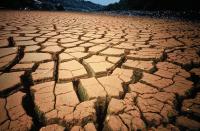
As greenhouse-gas emissions rise, North America is likely to experience more droughts and excessive heat in some regions even as intense downpours and hurricanes pound others more often, according to a report issued yesterday by the U.S. Climate Change Science Program.
The 162-page study, which was led by the National Oceanic and Atmospheric Administration, provides the most comprehensive assessment yet of how global warming has helped to transform the climate of the United States and Canada over the past 50 years – and how it may do so in the future.
Some of the high (low) light of the NOAA report include:
- Abnormally hot days and nights, along with heat waves, are very likely to become more common. Cold nights are very likely to become less common.
- Sea ice extent is expected to continue to decrease and may even disappear in the Arctic Ocean in summer in coming decades.
- Precipitation, on average, is likely to be less frequent but more intense.
- Droughts are likely to become more frequent and severe in some regions.
- Hurricanes will likely have increased precipitation and wind.
- The strongest cold-season storms in the Atlantic and Pacific are likely to produce stronger winds and higher extreme wave heights.