1,606 Ducks Died Landing On Toxic Waste Pond

authordefault
on

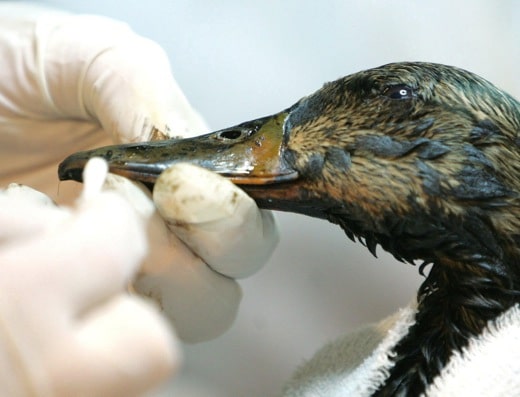
Eleven hundred more ducks died after landing on a toxic waste pond in northern Alberta last year than was originally estimated, a Canadian oil sands official acknowledged earlier thisย week.

The carcasses of 1,606 ducks were collected from the oily waters, compared to the 500 originally counted, Syncrude Canada chief executive Tom Katinasย said.

The deaths of the mallards last April drew widespread attention and prompted Prime Minister Stephen Harper to lament that Canadaโ€™s international reputation had been tarnished byย it.

Hereโ€™s a video clip from theย incident:

This month weโ€™re giving away FREE copies of Thomas Friedmanโ€™s bestselling book Hot, Flat and Crowded: Why We Need a Green Revolution and How It Can Renew America.

Go here to find out more details about DeSmogBlogโ€™s monthly bookย give-away.

Related Posts

on

At the Heartland Instituteโ€™s annual climate conference, fossil fuel allies warn MAHAโ€™s push on regulating chemicals and plastics could threaten the oil industry โ€” exposing a growing rift inside Trumpโ€™s base.

At the Heartland Instituteโ€™s annual climate conference, fossil fuel allies warn MAHAโ€™s push on regulating chemicals and plastics could threaten the oil industry โ€” exposing a growing rift inside Trumpโ€™s base.
on

Experts say mass-produced AI misinformation is the โ€œnew Cambridge Analytica scandalโ€.

Experts say mass-produced AI misinformation is the โ€œnew Cambridge Analytica scandalโ€.
on

The think tank representatives are making variations of a similar argument: Trumpโ€™s illegal military incursions serve as an opportunity for Canada to expand oil and gas infrastructure.

The think tank representatives are making variations of a similar argument: Trumpโ€™s illegal military incursions serve as an opportunity for Canada to expand oil and gas infrastructure.
Analysis
on

Belief in climate change is rising, but action stalls. New research reveals how subtle narratives are slowing policy โ€“ and how to fight back.

Belief in climate change is rising, but action stalls. New research reveals how subtle narratives are slowing policy โ€“ and how to fight back.