A Look Back on Climate Disinformation

authordefault
on

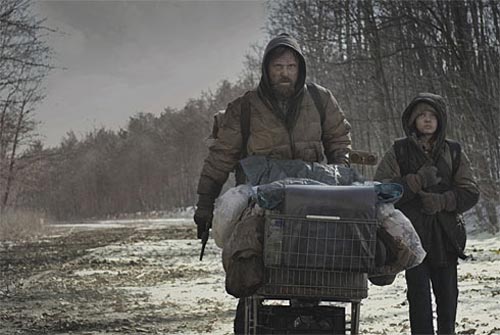
Writing on his Dot.Earth blog, the New York Timesโ€™ Andy Revkin passes on a long and insightful quote from the historian Dr. Spencer Weart, to looks back from a dark future to analyse what happened in the early part of the 20th century to bring the world toย ruin.

Itโ€™s well worth the read and is something of a credit to Revkin, who quoted the passage regardless of references like: โ€œโ€ฆ the media coverage represented a new lowโ€ and โ€œeven in leading newspapers like The New York Times, critics with a long public record for animosity and exaggeration were quoted asย experts.โ€

But then for most of his career, Revkin has been a little like the Intergovernmental Panel on Climate Change, fallible, but still the a leading voice for reason – at his paper and among most North Americanย newspapers.

Related Posts

Analysis
on

Investor call transcripts show that gas companies see the data centre build-out as their next growth sector, even as the energy transition accelerates.

Investor call transcripts show that gas companies see the data centre build-out as their next growth sector, even as the energy transition accelerates.
on

Sign up for our July 8 virtual conversation on combatting fossil fuels and fascism, keeping up with climate denial, and solving polluted information ecosystems.

Sign up for our July 8 virtual conversation on combatting fossil fuels and fascism, keeping up with climate denial, and solving polluted information ecosystems.
on

More farmed salmon will not necessarily bring better food security, say researchers.

More farmed salmon will not necessarily bring better food security, say researchers.
on

Clare Carlile's reporting was recognized under the โ€˜News Item of the Yearโ€™ award for revealing how UK government staffing shortages would harm the environment during a historic drought.

Clare Carlile's reporting was recognized under the โ€˜News Item of the Yearโ€™ award for revealing how UK government staffing shortages would harm the environment during a historic drought.