Mark Carney’s Climate Betrayal

In left corner, a black and white image of Canada Prime Minister Mark Carney, hands folded and looking right. In right corner, a polar bear stands on rocks and looks left. In the background, a superimposed LNG tanker floats past the waters in a yellowed image of the mountainous British Columbia coast.

About the Series

When Mark Carney was Bank of England Governor, he was hailed by climate advocates for working to steer the global economy away from fossil fuels. But since becoming Canadian prime minister, he’s fast-tracked oil and gas expansion while rolling back key environmental laws. In this series, we track the corporate and political influence behind Carney’s climate betrayal.

In This Series

on

It’s an energy agenda seemingly at odds with the prime minister’s previous stated commitments to addressing climate change.

It’s an energy agenda seemingly at odds with the prime minister’s previous stated commitments to addressing climate change.
on

New data show American capital now controls most of Canada’s oil and gas sector while jobs vanish, royalties lag, and billions flow south.

New data show American capital now controls most of Canada’s oil and gas sector while jobs vanish, royalties lag, and billions flow south.
on

The pro-AI and fossil fuel group tells DeSmog that it’s great to see its ideas “get taken up by government.”

The pro-AI and fossil fuel group tells DeSmog that it’s great to see its ideas “get taken up by government.”
Analysis
on

By tying the project’s fate to Indigenous “equity,” Carney saddles groups with the blame, and potentially the bill, if they move to stop a pipeline they oppose.

By tying the project’s fate to Indigenous “equity,” Carney saddles groups with the blame, and potentially the bill, if they move to stop a pipeline they oppose.
Analysis
on

Critics say new LNG ventures in British Columbia saddle Indigenous communities with debt, opaque ownership structures, and financial risk that could leave them owing billions.

Critics say new LNG ventures in British Columbia saddle Indigenous communities with debt, opaque ownership structures, and financial risk that could leave them owing billions.
on

Delegation’s composition consistent with new KBPO report revealing this year’s U.N. climate talks have the largest number of fossil fuel lobbyists to date.

Delegation’s composition consistent with new KBPO report revealing this year’s U.N. climate talks have the largest number of fossil fuel lobbyists to date.
on

Pathways Alliance presence was minimal, indicating potential retooling for well-advertised CCS project.

Pathways Alliance presence was minimal, indicating potential retooling for well-advertised CCS project.
on

More than 30,000 wells needed over the next 25 years for new LNG export projects, calculates renowned earth scientist David Hughes.

More than 30,000 wells needed over the next 25 years for new LNG export projects, calculates renowned earth scientist David Hughes.
Analysis
on

A revived Northern Gateway proposal tops the fossil fuel industry’s wish list. Carney should think twice before fulfilling that risky pipe dream.

A revived Northern Gateway proposal tops the fossil fuel industry’s wish list. Carney should think twice before fulfilling that risky pipe dream.
on

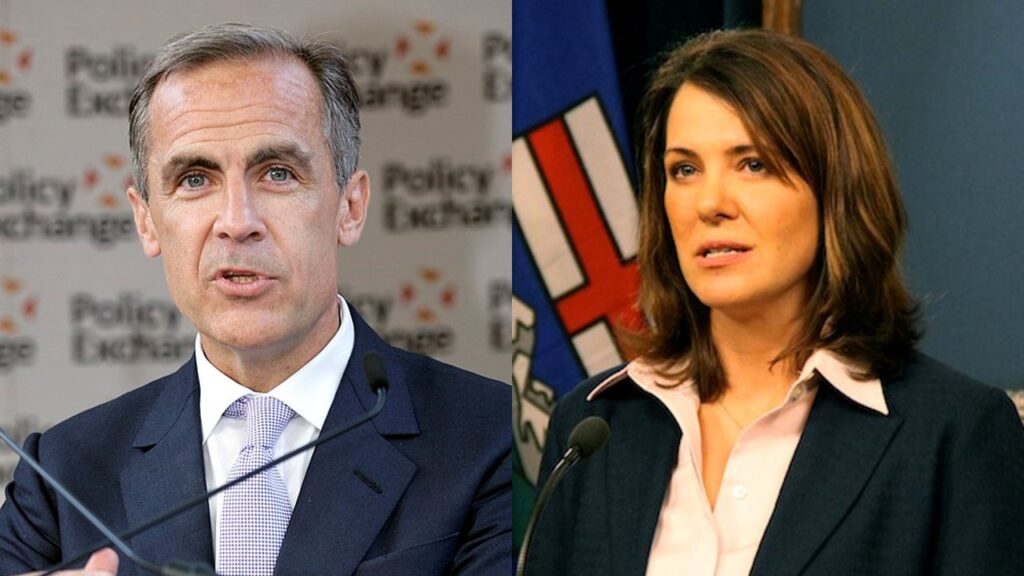
The Alberta premier suggested feds could “carve” the northern port out of the legislation, making way for a new oil corridor to the coast.

The Alberta premier suggested feds could “carve” the northern port out of the legislation, making way for a new oil corridor to the coast.
Analysis
on

Do oil sands companies actually want to capture carbon? Canada’s new energy minister, who served on MEG’s board, has received mixed messages.

Do oil sands companies actually want to capture carbon? Canada’s new energy minister, who served on MEG’s board, has received mixed messages.