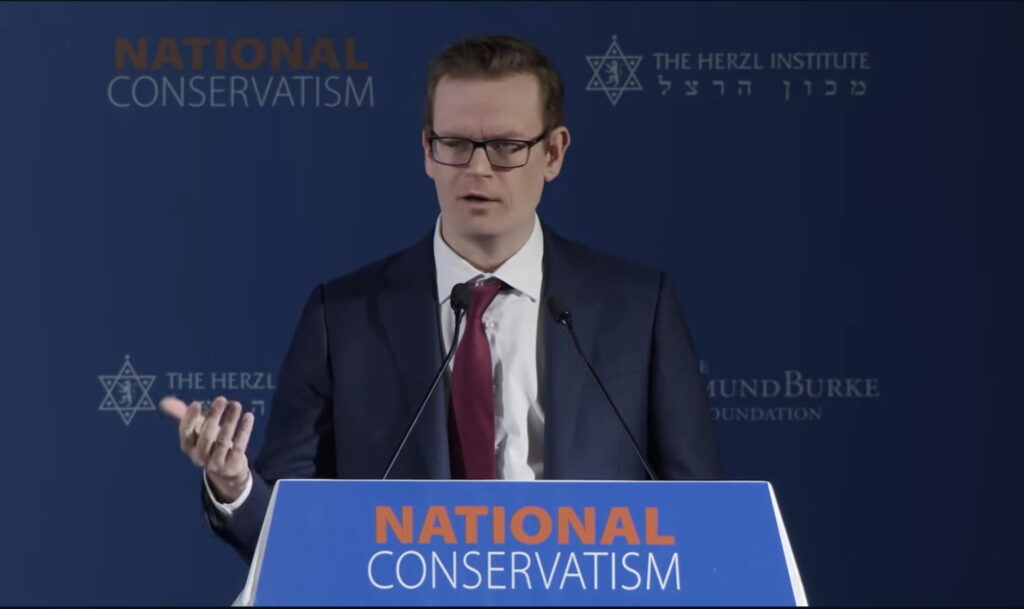
Morano vs Revkin Ready to Face Off!

authordefault
on

While the SEJ Conference is packed with people and sessions that sound interesting, we’re most looking forward to Friday night’s session just pre-dinner โ€“ โ€œAnd Now a Word from Our Critics.โ€ This session, hosted by Christy George, will feature four speakers: Bill Blakemore, Dan Fagin, Marc Morano, and Andrew Revkin.

Marc Morano, as many of you may know, is a staffer for Senator Inhofe in all his current notoriety. Andrew Revkin is a long-time environment writer for the New York Times. It’ll be interesting to see what Morano says, and equally interesting to see how his spin is received by the audience of environmental journalists.

The DeSmogBlog will be liveblogging from the session, reporting out on all the action. We’ll also be posting a raw audio recording of the debate โ€“ so stay tuned to the site for that.
Related Posts

Analysis
on

Investor call transcripts show that gas companies see the data centre build-out as their next growth sector, even as the energy transition accelerates.

Investor call transcripts show that gas companies see the data centre build-out as their next growth sector, even as the energy transition accelerates.
on

Sign up for our July 8 virtual conversation on combatting fossil fuels and fascism, keeping up with climate denial, and solving polluted information ecosystems.

Sign up for our July 8 virtual conversation on combatting fossil fuels and fascism, keeping up with climate denial, and solving polluted information ecosystems.
on

More farmed salmon will not necessarily bring better food security, say researchers.

More farmed salmon will not necessarily bring better food security, say researchers.
on

Clare Carlile's reporting was recognized under the โ€˜News Item of the Yearโ€™ award for revealing how UK government staffing shortages would harm the environment during a historic drought.

Clare Carlile's reporting was recognized under the โ€˜News Item of the Yearโ€™ award for revealing how UK government staffing shortages would harm the environment during a historic drought.