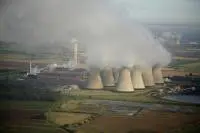
A proposal to build a pulverized-coal power plant near Austin, Tex., has galvanized pressure on state officials to regulate carbon-dioxide emissions. One critic, a 300-pound rancher, even staged a week-long hunger strike to protest against coal-fired technology in favor of gasified plants.
“This technology isn’t so last century,” Paul Rolke told the Austin American-Statesman “It’s so century before the last century.”
Rolke, who worries about pollution from the plant, said he would be satisfied if the utility, TXU Corp., decided to build a gasified power plant, which also use coal but with drastically reduced pollution and carbon dioxide emissions.
Texas utilities are reluctant to invest in gasification technology because plants cost about 20 percent more to build than pulverized-coal plants. TXU, which has proposed 11 coal-fired power plants in Texas, also has said gasification plants aren’t compatible with the coal it hauls in from Wyoming for many of its plants.
Gasification proponents say the technology could offer a middle ground where utilities could meet growing energy demands while cutting down on greenhouse-gas emissions. They further note that, if carbon emissions become regulated, gasification plants will be cheaper to operate. It’s easier to add carbon-capture technology to the gasification plants than to pulverized-coal plants.
“It’s the first real radical departure from the boil-water-make-steam-make-power technology,” said Ian Duncan, a professor at the Bureau of Economic Geology at the University of Texas. “You can gasify chicken manure, literally. Anything with carbon they can gasify.”