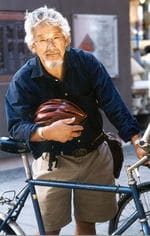
Canadian environmental icon David Suzuki has won the honorary Right Livelihood Award, sometimes called the Alternative Nobel prize, “for his lifetime advocacy of the socially responsible use of science, and for his massive contribution to raising awareness about the perils of climate change and building public support for policies to address it.”
Contrasted, say, to Canadian Prime Minister Stephen Harper, whose climate change policies are currently an embarrassment to the country and an affront to the world, David Suzuki was also named this year as the person Canadians trust most. He outpolled the Queen and Rick Hillier (former Chief of Defence Staff) – combined.
Full disclosure: One of the founders of this blog, Jim Hoggan, is chair of the David Suzuki Foundation (DSF). Another of the founders, John Lefebvre, is also a generous supporter of Suzuki’s. I personally got hooked on the climate change issue because the DSF hired me as a freelance writer in 1996 to write its first public education package on climate change. We all like, admire and respect Suzuki unreservedly. Just for the record.