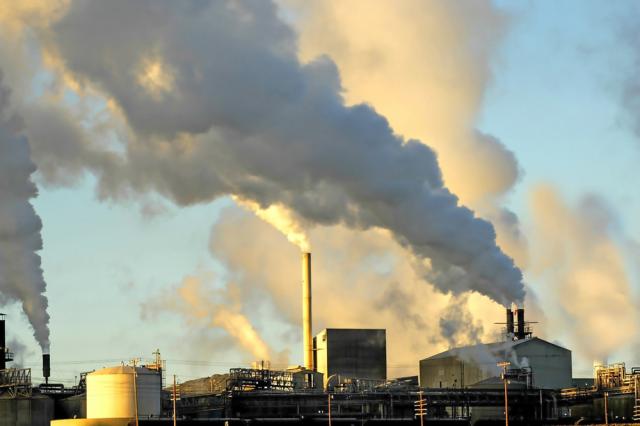
When business-friendly bills and resolutions spread like wildfire in statehouses nationwide calling for something as far-fetched as a halt to EPA regulations on greenhouse gas emissions, ALEC is always a safe bet for a good place to look for their origin.
In the midst of hosting its 39th Annual Meeting this week in Salt Lake City, Utah, the American Legislative Exchange Council (ALEC) is appropriately described as an ideologically conservative “corporate bill mill” by the Center for Media and Democracy, the overseer of the ALEC Exposed project. 98 percent of ALEC‘s funding comes from corporations, according to CMD.
ALEC‘s meetings bring together corporate lobbyists and state legislators to schmooze and then vote on what it calls “model bills.” Lobbyists, as CMD explains, have a “voice and a vote in shaping policy.” In short, they have de facto veto power over whether the prospective bills they present at these conferences become “models” that will be distributed to the offices of politicians in statehouses nationwide.
For a concise version of how ALEC operates, see the brand new video below by Mark Fiore.