The Global Warming Costs of the Iraq War

authordefault
on

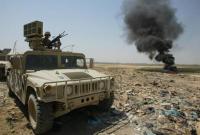
Oil Change International has released an startling report today quantifying both the greenhouse gas emissions of the Iraq War and the opportunity costs involved in fighting war rather than climateย change.

Here’s a few the interesting (and disturbing) facts found in theย report:

  • Total US spending on the Iraq war could cover all of the global investments in renewable power generation that are needed between now and 2030 in order to halt current warming trends.ย 
  • Just the $600 billion that Congress has allocated for military operations in Iraq to date could have built over 9000 wind farms (at 50 MW capacity each), with the overall capacity to meet a quarter of the countryโ€™s current electricityย demand.
  • In 2006, the US spent more on the war in Iraq than the whole world spent on investment in renewableย energy.

Related Posts

on

Ofgem has rejected calls for household energy debts to be paid off using excess profits.

Ofgem has rejected calls for household energy debts to be paid off using excess profits.
on

Former fracking magnate Gwyn Morgan has funnelled millions to right-wing media and think tanks, a DeSmog analysis reveals.

Former fracking magnate Gwyn Morgan has funnelled millions to right-wing media and think tanks, a DeSmog analysis reveals.
on

Dan McTeague cultivates a media image as a consumer advocate while running a group urging people to fight against climate policies.

Dan McTeague cultivates a media image as a consumer advocate while running a group urging people to fight against climate policies.
on

Industry groups warn of โ€œsupply shocksโ€ as energy shortages grow, but critics say targeting the EUโ€™s methane rule would lock in polluting U.S. fossil-fuel infrastructure at a dire cost to local and global communities.

Industry groups warn of โ€œsupply shocksโ€ as energy shortages grow, but critics say targeting the EUโ€™s methane rule would lock in polluting U.S. fossil-fuel infrastructure at a dire cost to local and global communities.