New Ad Asks President Obama To Stop Keystone XL Tar Sands Oil Pipeline

Brendan DeMelle DeSmog
on

The proposed Keystone XL pipeline would carry oil extracted from Canadaโ€™s dirty tar sands over 2,000 miles through two provinces and six U.S. states to Gulf Coast refineries. Unless it is stopped, the U.S. and Canada are set to continue guaranteeing decades of mutual, self-inflicted oil addiction.

While both countries understand the consequences of that addiction, and like to portray themselves as clean energy supporters, building this pipeline would cement them permanently as dirty oil enablers.ย  If a junkie says he wants to kick the habit, but then turns around and buys a 20-year supply, you would be right to question the sincerity of his efforts to clean up his act.

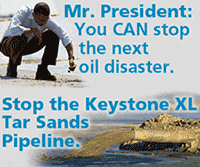
President Obama can stop this $12 billion TransCanada pipeline expansion and reject the pushersโ€™ efforts to pump the worldโ€™s dirtiest oil through Americaโ€™s heartland.

That is the message of this new ad campaign launched by the No Tar Sands Oil Campaign, which will air on CNN, MSNBC and Comedy Central, as well as around the web and on radio.

Watch it:

Brendan DeMelle DeSmog
Brendan is Executive Director of DeSmog. He is also a writer focused on disinformation and corporate accountability.

Related Posts

on

Campaigners say advertising and PR agencies are โ€œnowhere closeโ€ to giving up their oil and gas clients.

Campaigners say advertising and PR agencies are โ€œnowhere closeโ€ to giving up their oil and gas clients.
on

Policy update also restricts advertising for fossil fuels products and services in council owned ad sites.

Policy update also restricts advertising for fossil fuels products and services in council owned ad sites.
on

SLICK is a funny yet cutting satire of how the ad industry contributes to the climate crisis.

SLICK is a funny yet cutting satire of how the ad industry contributes to the climate crisis.
Analysis
on

DeSmog analysis finds less than one third of planned projects could have full Canadian control over data.

DeSmog analysis finds less than one third of planned projects could have full Canadian control over data.