
This is a guest post by Nick Abraham of Oil Check Northwest, cross-posted with permission.
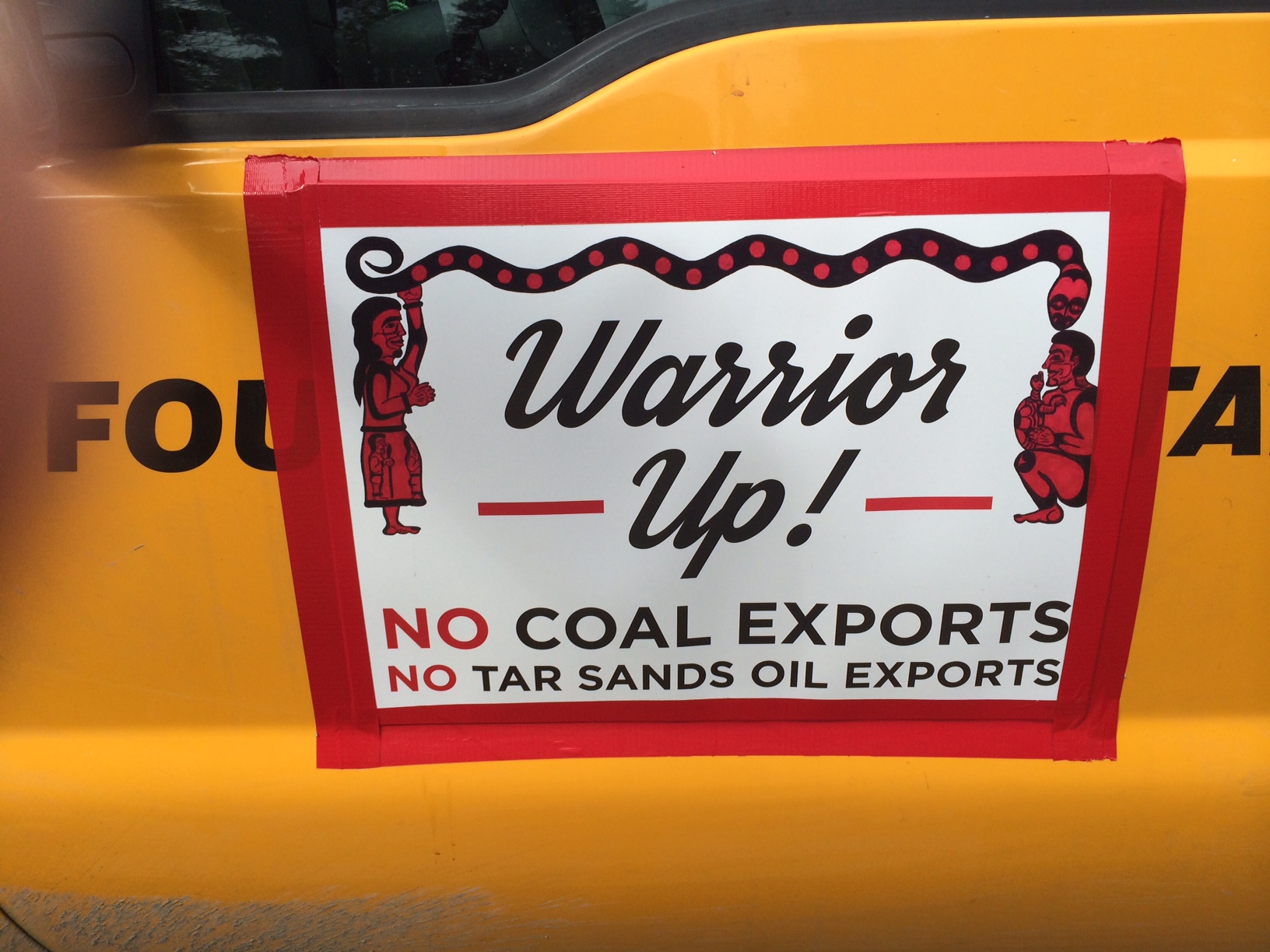
In the far off Northwest corner of the country, a five-year treaty rights saga has finally come to a head. A $665 million project, called the Gateway Pacific Terminal, has divided Whatcom County and the state of Washington over its potential export; Powder River Basin coal. The developers of the project, Pacific International Terminals, SSA Marine and two coal companies Peabody Energy and Cloud Peak Energy have pushed development over the stead-fast opposition of a coalition of local tribes lead by the near by Lummi Nation. The Lummi have asked the US Government, represented by the Army Corps of Engineers, to protect their long standing treaty fishing rights and burial grounds, claiming both would be gravely effected by the project.
After months of deliberation, Col. John Buck, commander of the Army Corps’ Seattle District, made a ruling on the treaty rights of the Lummi and their petition against the terminal. After reviewing thousands of pages of documents, the Corps denied the project’s permit, finding that the terminal’s effect on Lummi fishing rights would exceed the threshold of damage that is allowed under the treaty.
Timothy Ballew II, chairman of the Lummi Indian Business Council, called the decision “a win for the treaty, a win for the Constitution and a win for all of Indian country.”
From Ralph Schwartz at Sightline Institute:
“This is a really good day,” said an emotional Cheryl Sanders, who met in special session with other tribal council members later on Monday morning, to share the news with the community. “These are happy tears. These aren’t sad tears.”
“They taught us never to forget where we come from,” Sanders said. “Treaty rights aren’t for sale. Being on the water is medicine.”
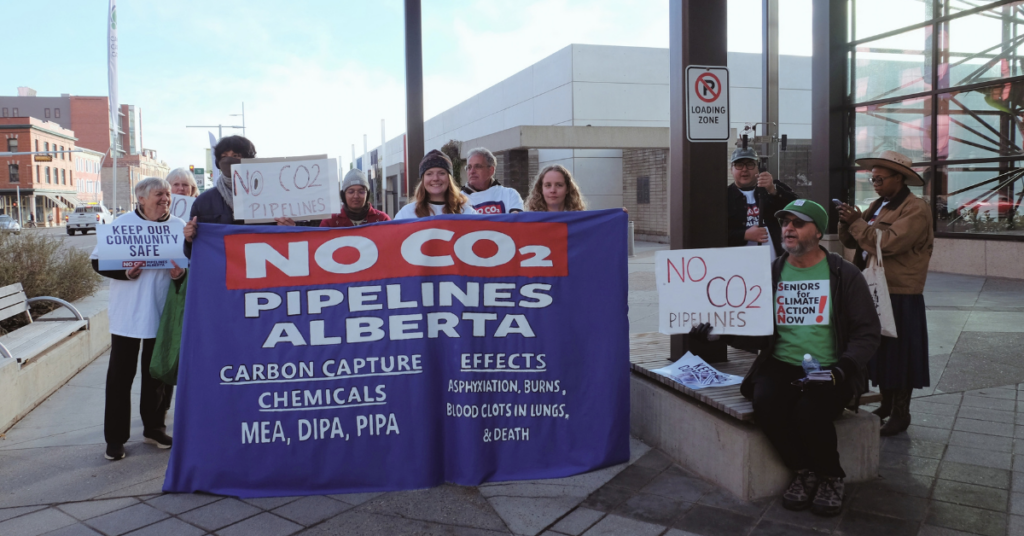
Concerns for this massive project have been widespread and diverse, as has its opponents. From Spokane to Seattle to Bellingham health experts, first responders, religious leaders and elected officals have voiced their opposition for the project. Over 125,000 written comments highlighted everything from coal dust and diesel health risks, traffic congestion, pollution and climate change as reasons the project shouldn’t be permitted.
While coal’s opposition has hit a fever pitch in the OP–ED pages, waterways and coffee shops of Washington State, the industry’s dire financial situation has rang like a surging ominous fog horn. One of the dominant energy stories of the last decade has undoubtedly been coal’s dramatic fall.
Over the last 7 year’s the US coal industry has lost 97% of its value. Thanks to the rise of fracked natural gas, and dramatic increases in renewables, coal is, for the first time in decades, no longer the top electricity provider in the US. The largest domestic mining companies, including Arch Coal and Peabody Energy, have declared bankruptcy. Cloud Peak has seen its stock plunge in the last two years and was trading at less than $2 per share (as of May 13th).
Globally coal hasn’t faired much better. China’s economic downturn has left the globe over supplied and coal’s trading price collapsed. As pollution becomes an ever-growing concern for nations’ the world over (it is now the leading cause of death in the developing world), coal is often the first to be switched for alternative sources.
The Lummi’s defiant stand for their treaty and sovereignty was a major victory, apart of a much larger struggle. New coal export projects are still slated for Oakland, CA, British Columbia and Longview, WA. Decisions over these and energy projects the world over will have global consequences but will be decided by individual communities.
Time will tell if the Lummi’s example is one that inspires.