Eat less meat to stifle methane emissions and slow global warming, scientists say

authordefault
on

The Lancet said reducing global red-meat consumption by 10 per cent would reduce the animal gases that contribute to global warming. With world demand for meat increasing, however, experts fear increased livestock production will mean more methane and nitrous oxide heating up theย planet.

In China, for example, people are eating double the amount of meat they used a decadeย ago.

Other ways of reducing greenhouse gases from farming, like feeding animals higher-quality grains, would only have a limited impact on cutting emissions, leaving reduced demand for meat as the only viableย option.

The amount of meat eaten varies considerably. In developed countries, people typically eat about 224 grams per day. In Africa, most people only get about 31 grams a day. A Lancet author said if the global average were 90 grams per day, that would prevent the levels of gases from speeding up climateย change.

It would also help corralย obesity.

Related Posts

Analysis
on

Itโ€™s a massive subsidy to Equinor, the Norwegian oil company behind the Bay du Nord offshore oil project.

Itโ€™s a massive subsidy to Equinor, the Norwegian oil company behind the Bay du Nord offshore oil project.
on

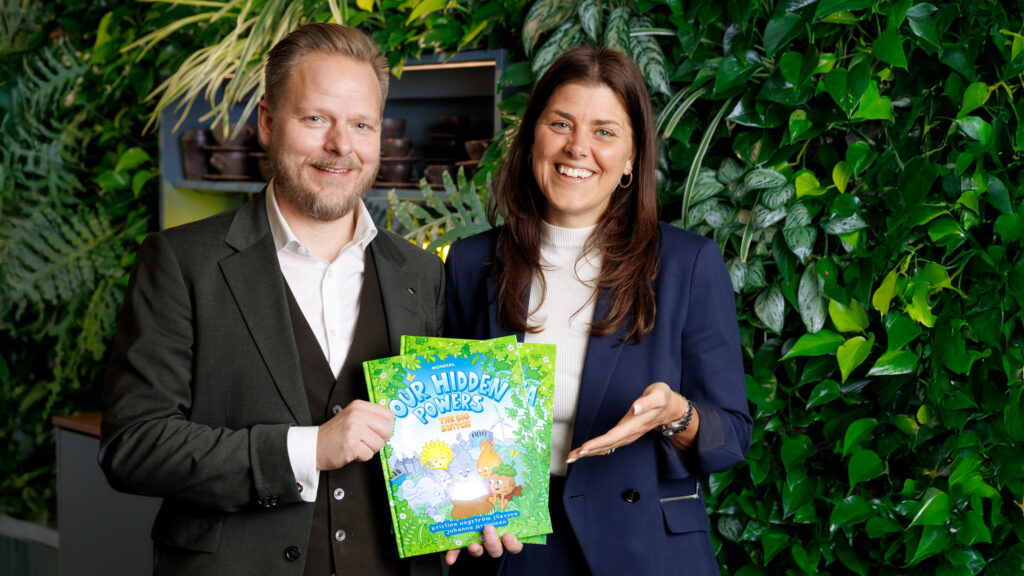
A new childrenโ€™s book by a Chevron-backed clean energy venture paints a sympathetic portrait of coal, oil, and gas.

A new childrenโ€™s book by a Chevron-backed clean energy venture paints a sympathetic portrait of coal, oil, and gas.
Analysis
on

Fossil fuel interests and climate science deniers have been leading the charge for more drilling.

Fossil fuel interests and climate science deniers have been leading the charge for more drilling.
on

After months of protests โ€” and a rushed legal deadline โ€” officials deny Texas developerโ€™s project as residents warn of pollution and impacts on wildlife, water, and power.

After months of protests โ€” and a rushed legal deadline โ€” officials deny Texas developerโ€™s project as residents warn of pollution and impacts on wildlife, water, and power.