
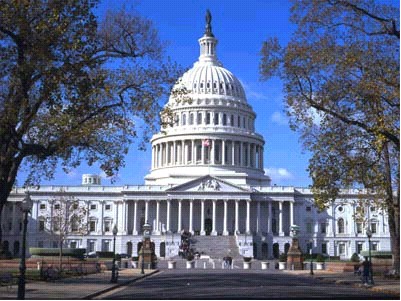
As the dust settles on DC, many are now wondering what toll the midterm results will take on climate science and energy policy. The initial signs are ominous.
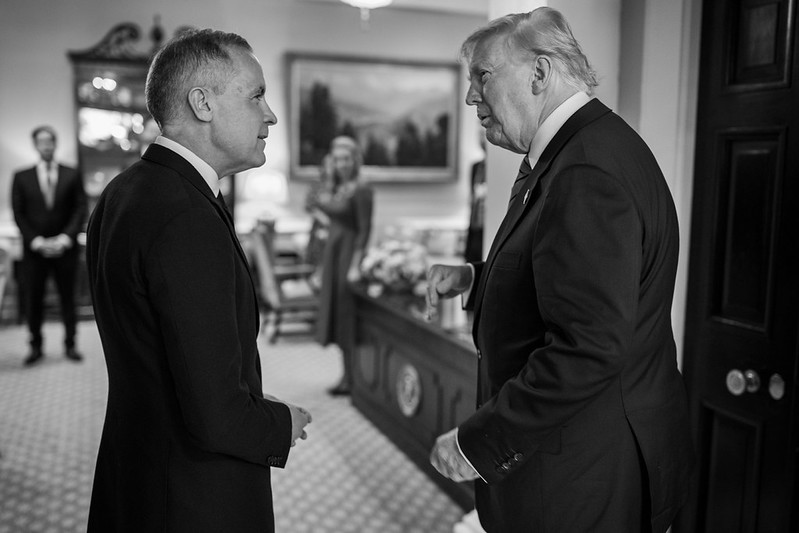
Rep. Joe Barton of Texas is angling for chairmanship of the powerful House Energy and Commerce Committee where he could further favor his friends in the fossil fuel industry. Barton strongly apposes Congressional efforts to cut carbon emissions, telling NPR last week, “There will be no cap-and-trade bill … It’s not just endangered, it’s extinct.” He also accepted almost $400,000 in contributions last year from electrical utilities and the oil and gas industry.
Barton embarrassed even some of his Republican colleagues when he apologized to BP CEO Tony Hayward during his testimony to Congress after the Gulf oil spill. If the optics of Barton chairing the energy committee are too odious, the runner up will likely be Fred Upton of Michigan – perhaps not a major improvement.
Both men voted against clean energy legislation. Upton has also vowed to kill the Congressional Select Committee on Climate Change, saying “the American people do not need Congress to spend millions of dollars to write reports and fly around the world. We must terminate this wasteful committee.”
But is Congress considering the implications of climate change really such bad investment? The climate committee cost about $8 million per year. This is less than one percent of what scientists believe climate change could cost the US economy – about $1.8 trillion per year – if we chose to ignore it.
Ignoring climate change is bad enough. There are others in the Republican caucus and Tea Party who now want to use their advantage in the House to hold hearings on the “scientific fraud” behind global warming. Why would such a witch-hunt suddenly a priority given the dismal state of the US economy and record home foreclosures across the country?
It might have something to do with the massive infusion of fossil fuel cash into the US political process. Since 1999, the coal, oil and gas industries have spent more than $2 billion lobbying Congress. In the last eighteen months alone, these three industries have shelled out a staggering $543 million in their Congressional lobbying efforts – almost twelve times more than the renewable energy sector.
The recent Supreme Court decision allowing corporations to pour unlimited anonymous money into influencing elections no doubt had an impact on some of the races. At the time, President Obama warned the ruling was “”a major victory for big oil, Wall Street banks, health insurance companies and the other powerful interests that marshal their power every day in Washington to drown out the voices of everyday Americans.”
That cacophony is bound to get a lot louder for the next two years, and does not bode well for climate science or energy policy in America.