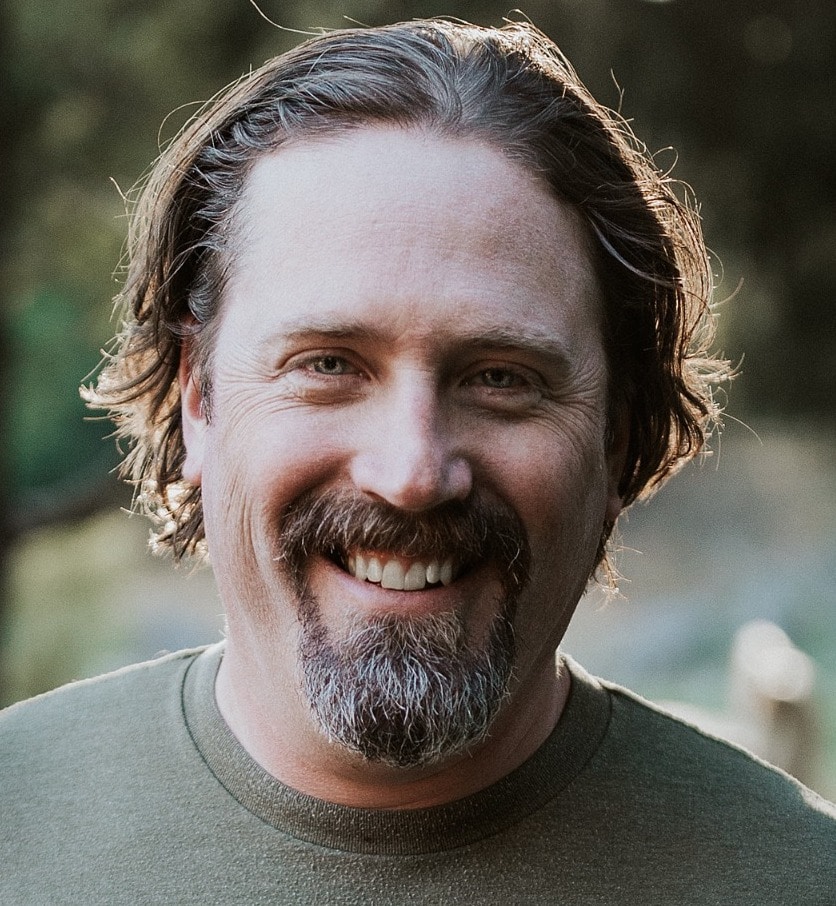
George Marshall, founder of the UK-based Climate Outreach Information Network, has a new three-part video series exploring ‘The Ingenious Ways We Avoid Believing in Climate Change.’ Marshall explores the psychology of climate change denial and climate communications, both in this video series and on his blog ClimateDenial.org. Check out the videos below.
Part one
Risk – and why we don’t feel threatened by climate change
Belief – why we can’t just accept the information and need to believe in it
Attention – how avoiding talking about climate change is like avoiding talking about human rights atrocities
Part two –
Stories – the way we mediate information about climate change. The problem with polar bears and why human rights organisations are more interested in ice cream than climate change.
Part three
Distancing – the strategies we adopt to keep the information at arm’s length
Compartmentalising – how we can accept climate change and continue polluting behaviour
Positive Framing – how we seek to turn climate change into a personal advantage
Ethical Offsets – how we adopt the easiest behaviours as proof of our virtue
Cynicism- the commercial appropriation of climate change images
What happens next? – surprisingly – what happens next