
As we approach the one year anniversary of the Deepwater Horizon explosion and the subsequent oil disaster that followed, residents on the Gulf Coast are still finding their beaches covered in oil.
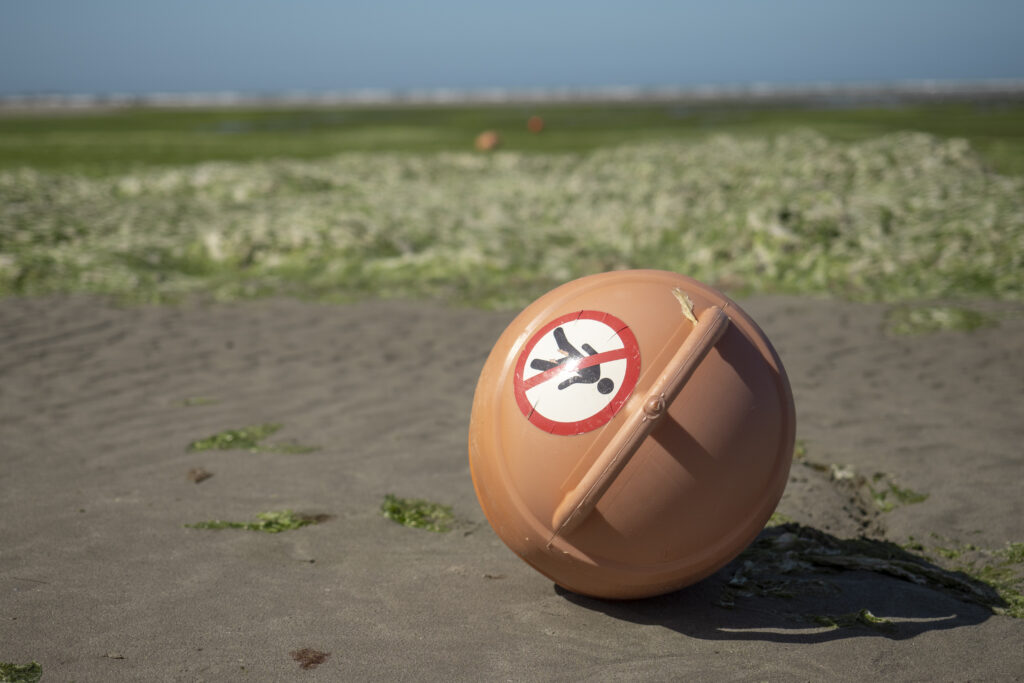
Residents of Perdido Key, Florida were recently treated to a few thousand pounds of “tar mats” washing ashore, which prompted BP to quickly send out clean up crews during a busy spring break season for local resorts. Residents and beachgoers did their best to overlook the dark spots on their vacations, and were laying out and playing in the water just a few feet away from the oncoming oil. The Perdido removal has so far been the only instance where BP has removed a large tar mat.
Elsewhere in Florida, four other tar mats have popped up between Pensacola Beach and Navarre Beach, with cleanup efforts in those areas remaining slow. County officials are growing increasingly impatient with BP, forcing County Administrator Charles Oliver to send a letter to BP requesting immediate assistance. BP had announced, and the beaches accepted, that they would be scaling back their cleanup operations in Florida in February, since the only oil coming on shore was in the form of small tar balls.
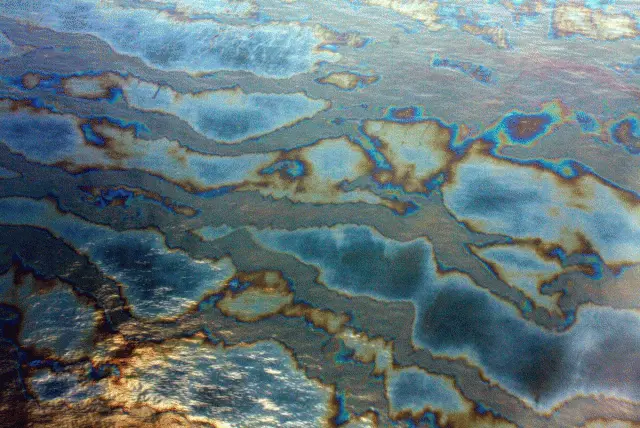
Louisiana and Alabama have not been unscathed either, as both areas are still experiencing tar balls washing up on a daily basis. Louisiana could be in for an even harder hit, as Coast Guard officials have reported a large oil sheen stretching about 100 miles hovering dangerously close to Louisiana. Over the weekend, officials in Grand Isle confirmed that tar balls and actual oil had begun washing up on their beaches. From Lauren Kelly on Alternet on the true scope of the disaster:
Louisiana Bayoukeepers’ Mike Roberts reiterated to [Rocky] Kistner of NRDC that the group saw what “looked like a huge amount of oil” in the waters off Louisiana. “They could smell it from the airplane and I could smell it from the boat. This wasn’t just Mississippi River mud,” he said.
However, government officials and business interests were quick to point out that this oil sheen might not be from BP’s oil, which would absolve them from responsibility in the cleanup, but also poses the more serious question of whether or not there is another oil well leaking in the Gulf of Mexico.
For residents along the Gulf Coast, the continuing presence of oil and tar balls is a constant reminder of how dangerous offshore drilling can be. But for most Americans, with the story no longer dominating the headline news, or even getting a mention, the consequences are now out of sight and out of mind. And if you listen close enough, you can probably still hear Sarah Palin shouting “Drill baby, drill!”