Environmental activists representing more than 200 organisations have called on the EU and the US to put an end to a booming transatlantic trade in fracked gas or face “taking the world far beyond safe climate limits”.
In an open letter to the EU Climate Commissioner Miguel Arias Cañete and US Energy Secretary Rick Perry, campaigners warn that the continued use and import of fracked gas “torpedoes critical climate targets and violates basic human rights”.
The statement comes after the US Department of Energy announced that Perry would be attending the first EU–US Energy Council High-Level Forum in Brussels on Thursday.
Critics are concerned the high-level energy meeting, titled “Towards large-scale US Liquified Natural Gas (LNG) exports to the EU‘s gas market”, will pave the way for fracked gas to become a key part of a new transatlantic trade agreement between the EU and the US.
European Commission data shows that EU imports of LNG from the US increased 181 percent between July 2018, when President Donald Trump and European Commission President Jean-Claude Juncker agreed to strengthen cooperation in the energy sector, and March this year.
The rapidly growing US natural gas export market has benefitted from a push in large-scale fracking projects which led to an increase in LNG production. US gas now represents around 12 percent of the EU’s total LNG imports.
Earlier this year, the EU Commission said it was ready to facilitate more gas imports from the US if prices and regulations became more favourable.
Environmental campaigners warn that developing new gas infrastructure that has a lifespan that goes beyond the point when developing countries need to fully decarbonise their energy sectors would “lock in” high levels of gas consumption and see the EU miss its long-term climate targets.
In a major report published last year, scientists from the Intergovernmental Panel on Climate Change warned that the global economy would need to have net-zero carbon emissions within the next 30 years to limit global warming to 1.5C and prevent runaway climate change.
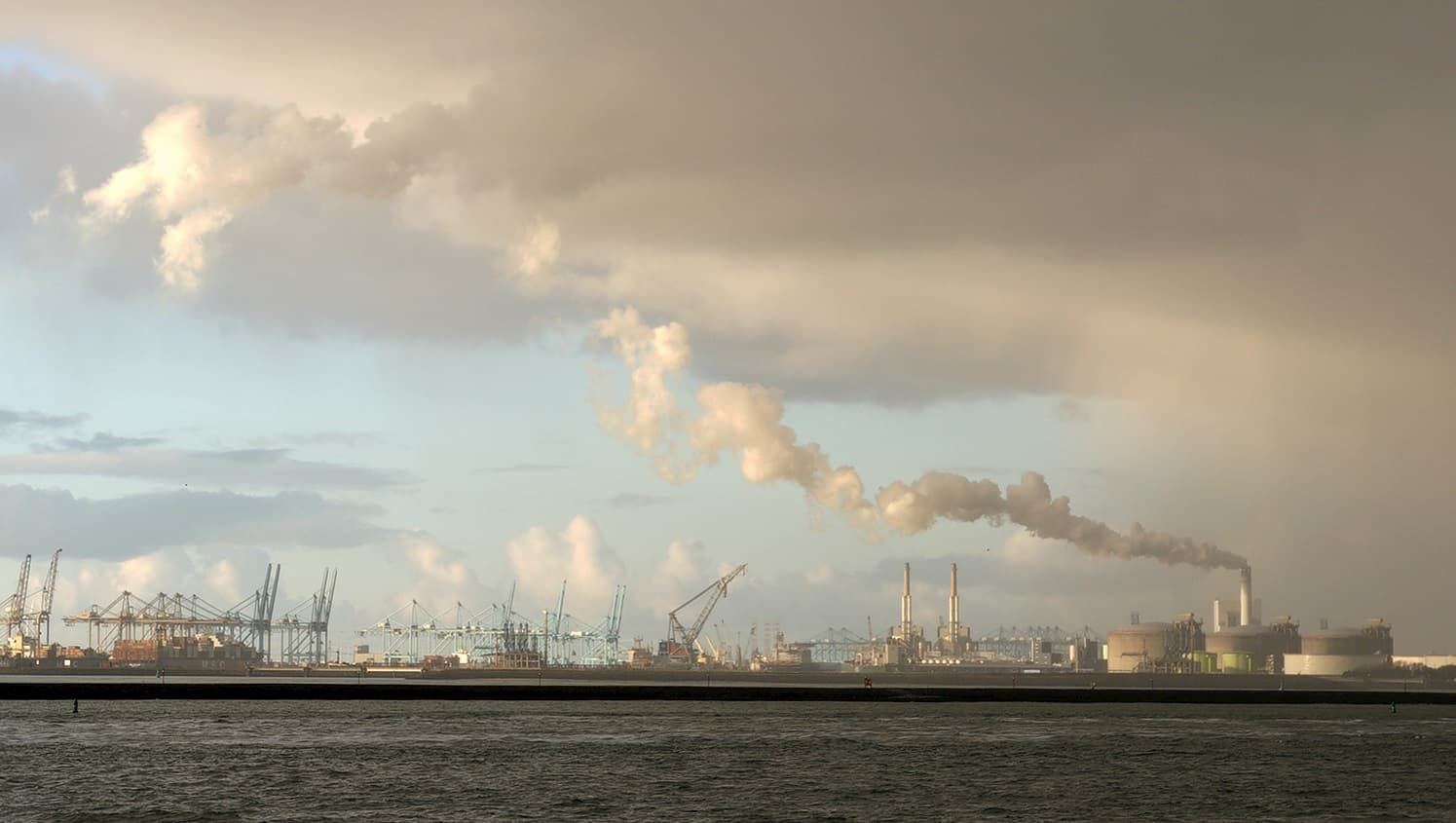
Image credit: Kees Torn for The Port of Rotterdam