
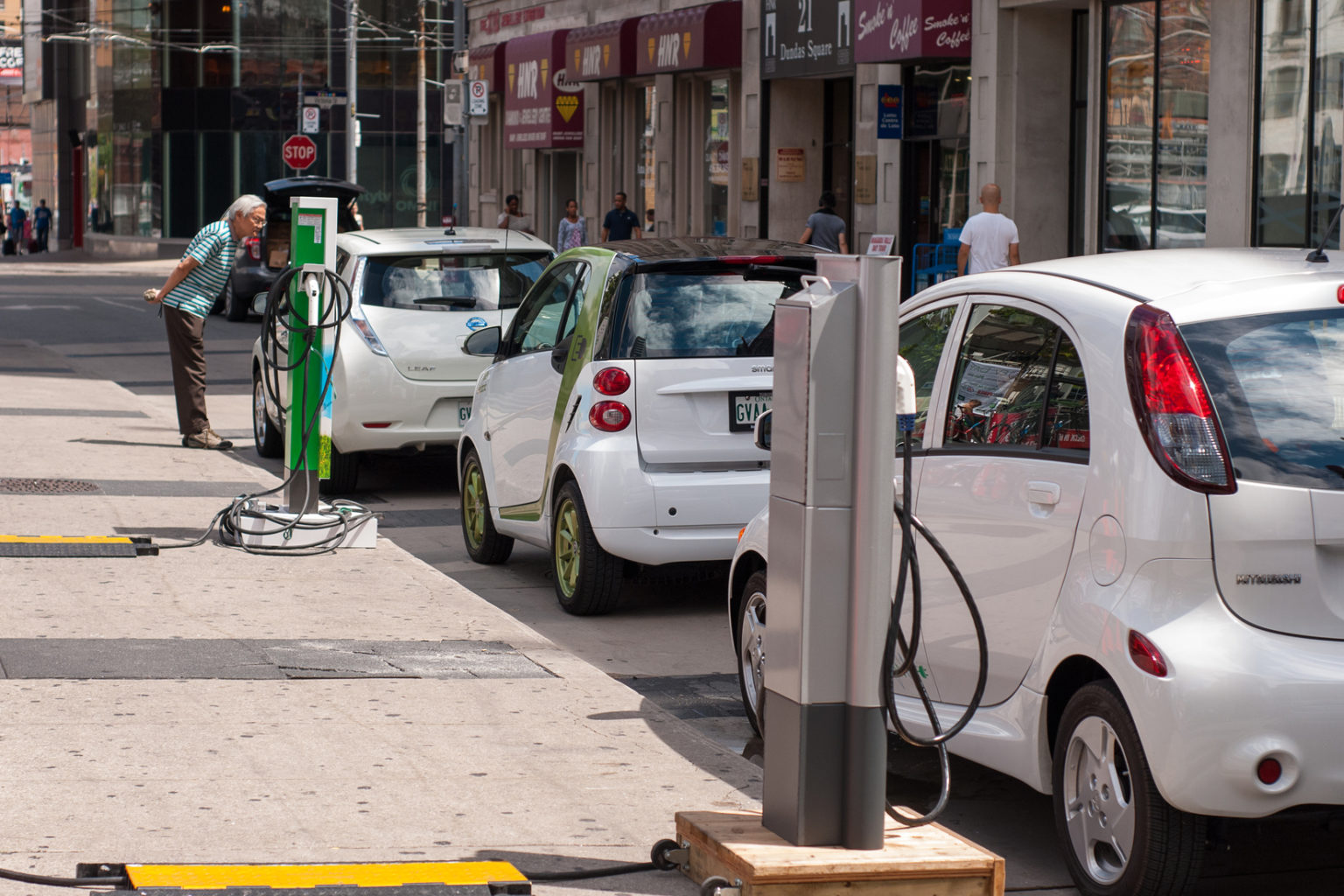
Consumers are increasingly turning away from polluting diesel and petrol cars, favouring potentially greener options, new industry data shows.
While customers seem ready to switch to cleaner cars, the government will need to reverse a recent trend and continue implement low carbon energy policies if the UK is to have a truly green transport system.
Around two million new vehicles were registered in the UK last year, according to figures from trade association, the Society of Motor Manufacturers and Traders.
Plug-in hybrid vehicles that can be charged through the mains power system experienced the largest year-on-year growth of all car types, with a 42 percent more new registrations. Demand for petrol-electric hybrids that use conventional engines to charge the electric motors also grew by 25 percent.
More electric cars were also sold than in 2015, with over 10,000 new vehicles registered – a 3.3 percent rise.
That’s in contrast to a stall in the sales of new petrol or diesel vehicles, with new registrations growing by 0.6 percent and 2.6 percent respectively.
The figures show there is a demand for alternative fuelled vehicles that could help reduce emissions from the transport sector, which currently account for around a quarter of the UK’s total greenhouse gas emissions.
In order to meet the UK‘s 2050 climate change targets, 60 percent of new cars and vans need to be electric by 2030 according to analysis by the Committee on Climate Change. Last year, parliament’s environmental audit committee warned the UK is “falling behind” on its electric vehicle targets.
The data shows consumers are ready to switch if the government can work out ways encourage the sale of EVs, despite lobbying from big oil companies such as Exxon discouraging greener transport policies.
If hybrid and electric vehicles are going to make a significant dent in emissions, the government also needs to ensure the power sources that generate the UK’s electricity supply are as clean as possible.
In July and September, wind, solar, biomass and nuclear power provided over half of the UK’s electricity. But a new report from think tank Green Alliance this week suggested investment in renewables could fall by 95 percent over the next three years due to subsidy cuts – a trend that will need to reverse if the UK is to clean up both its energy and transport sectors.
Main image credit: Plug’n Drive via Flickr CC BY–SA