French oil giant TotalEnergies is playing a key role in stifling attempts to force the fossil fuel industry to tackle methane leaks despite publicly backing action on the greenhouse gas.
TotalEnergies is a member of at least 32 trade associations that have worked to oppose, weaken or delay methane regulation in Europe, the United States, Argentina, Brazil and Kazakhstan in the past two years, a DeSmog analysis of internal correspondence, public records and documents obtained via freedom of information requests shows.
These lobby groups have variously paid for studies to cast doubt on the benefits of methane legislation, played up fears of energy security risks in private meetings with politicians, and coordinated open letters calling for delays.
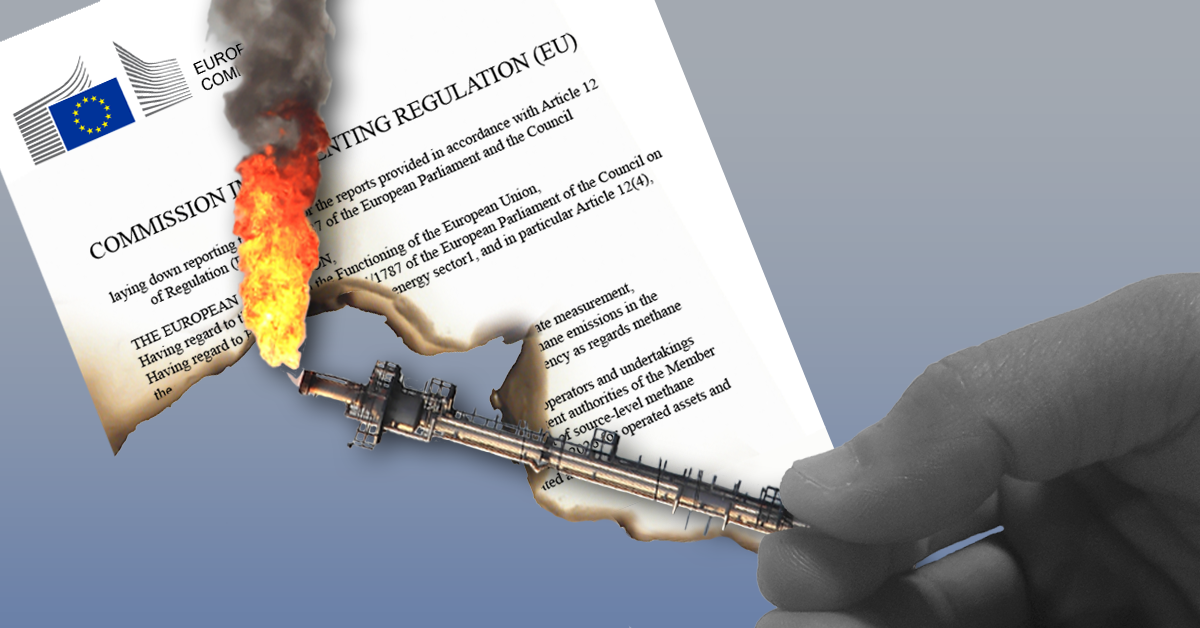
At least 25 of these groups have supported delaying or weakening the European Union’s new Methane Regulation, a flagship piece of climate legislation that would force oil and gas importers to meet certain standards on reducing methane leaks in their supply chains.
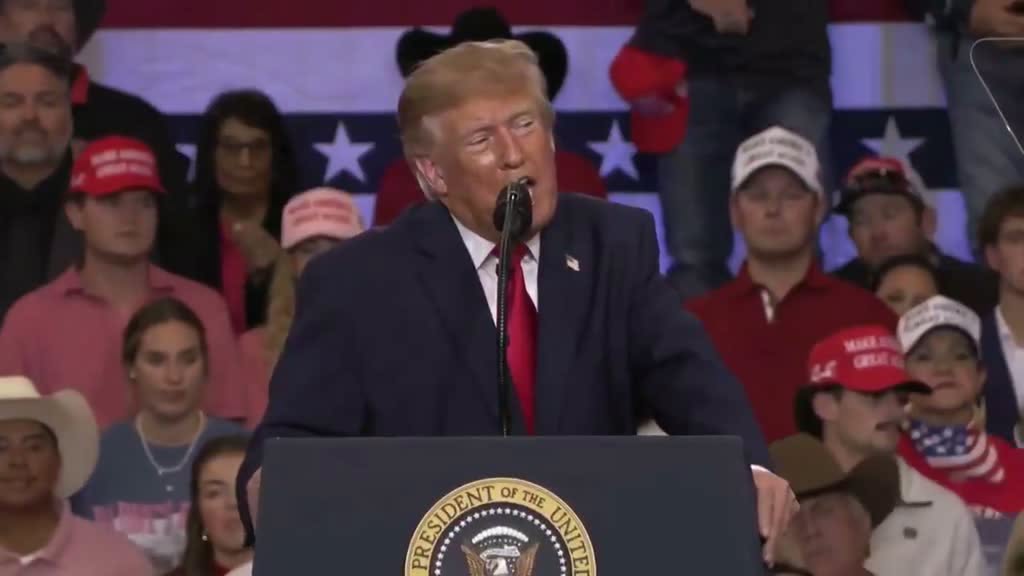
The regulations had been due to come into force on 1 January 2027. But after months of pressure from TotalEnergies-backed trade groups and a Trump administration keen to protect U.S. liquefied natural gas exports, EU ministers recommended last month that the rules be delayed by a year. Amid industry lobbying, the European Parliament is pushing for a three-year delay, with the timeline for a final decision unclear.

This story was published in partnership with French environmental newsroom Vert.
TotalEnergies appears to play an active role in lobbying by the trade groups it supports. In May, a company executive discussed strategies to delay and amend the EU Methane Regulation with members of a fossil fuel trade group, according to internal emails viewed by DeSmog.
TotalEnergies is the biggest importer of natural gas — which is mostly comprised of methane — from the United States to Europe. Methane has a warming effect more than 80 times stronger than carbon dioxide over 20 years. Experts see urgent action to staunch methane leaks from fossil fuel infrastructure as the world’s “climate emergency brake”. Turkey, host of the COP31 UN climate talks that opened in Antalya on Monday, wants curbing the super pollutant to be a priority for negotiators.
The extent of TotalEnergies’ support for lobby groups working to frustrate methane regulations calls into question a 2021 commitment by the company to support “policies aimed at measuring and reducing methane emissions”, including through trade associations, climate advocates said.
“TotalEnergies talks about tackling methane emissions, but its lobbying tells a very different story,” said Kim Claes, a campaigner at Friends of the Earth Europe. “This is corporate double-talk: promising climate action in public while working behind closed doors to undermine it.”
TotalEnergies’ website says it “supports the implementation of the EU Methane Regulation, while seeking further clarity on the compliance requirements for oil and gas importers.”
TotalEnergies did not respond to questions about its trade associations’ engagement with the EU Methane Regulation but said it was calling for an approach that balanced “the implementation of the Methane Regulation with energy security.”
Of the 32 groups DeSmog identified as working to delay, dilute or dismantle methane regulations, TotalEnergies’ rated 19 of them as “aligned” with its position on methane advocacy in its own review of its trade association relationships in 2024. The other 13 were either not rated on methane or not included in the review.
DeSmog contacted the 32 lobby groups identified in its analysis. Thirteen of these groups responded, with the majority saying they support tackling methane emissions but that proposed legislation was ineffective and could affect security of supply.
TotalEnergies paid the 32 associations between €5.6 million and €10.6 million in combined membership fees in 2024, according to the most recent figures published by the company. The company holds a leadership role — such as a board position — in more than half (19) of the 32 groups identified.
‘Stave Off Future Regulation’
Fossil fuel companies have long mobilised trade associations to champion voluntary climate initiatives as a way to counter public pressure for tougher government regulation.
Almost a decade ago, BP executive David J. van Hoogstraten told colleagues how the American Petroleum Institute (API), the biggest U.S. oil and gas lobby, planned to create a voluntary methane initiative to “stave off future regulation” or at least “better mitigate/mold regulation when it does come,” according to internal emails uncovered by a congressional investigation.
TotalEnergies’ methane public relations offensive began in 2017, when it became a founding member of the Methane Guiding Principles, a now-concluded voluntary fossil fuel industry initiative.
Four years later, in January, 2021, TotalEnergies became the first and only oil major to leave the API — citing the group’s opposition to methane regulation. Later that year, TotalEnergies updated its “advocacy directive”, which governs how the company works with lobby groups, to ensure their positions were consistent with its public climate goals. The statement, signed by CEO Patrick Pouyanné, included a commitment to support “policies aimed at measuring and reducing methane emissions,” including via its trade associations.
TotalEnergies, meanwhile, regularly featured its methane reduction efforts in advertising and public relations materials. In June this year, the company promoted a new methane tracking tool called MethaneLive. Last month, TotalEnergies was one of only two companies — along with BP — cited in a UN report for having made “significant progress” on methane emissions reporting and having “successfully persuaded numerous companies” to join the UN’s own voluntary methane reduction initiative.

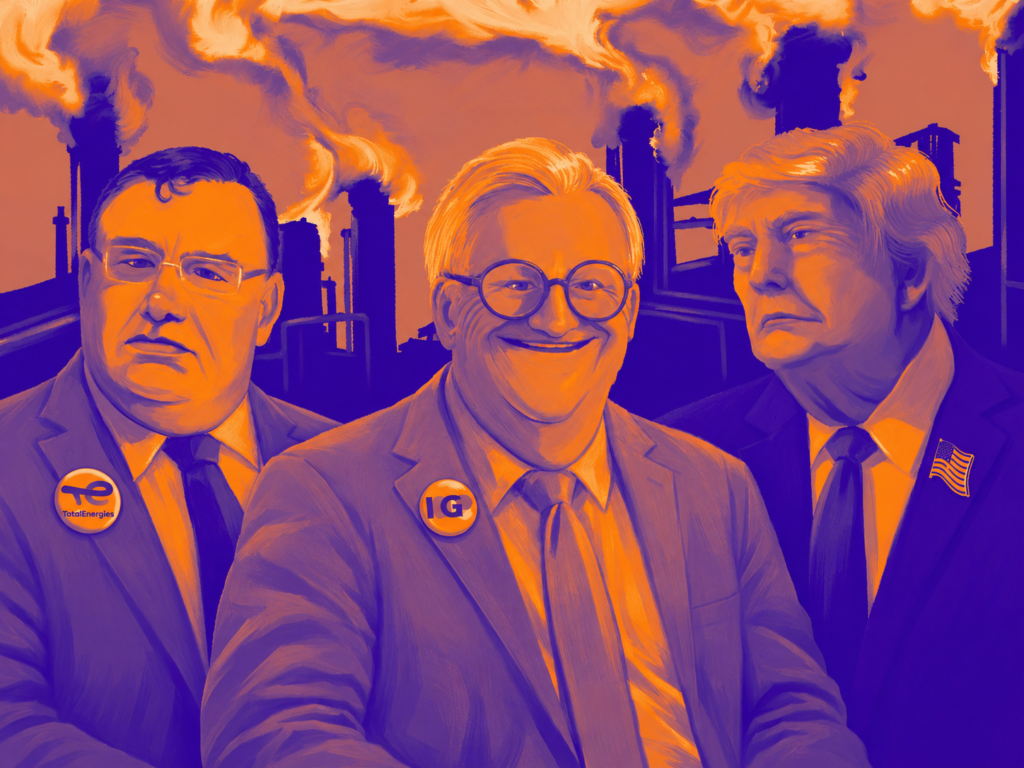
Pouyanné is one of three top industry executives championing another voluntary industry methane initiative — the Oil and Gas Decarbonization Charter — which is due to launch its latest status update today at the COP31 climate talks.
Despite these plaudits, TotalEnergies’ continuing support for lobby groups working to delay or rollback methane regulations altogether casts the company’s commitments in a less certain light.
“Companies cannot credibly claim to support climate action while lobbying to delay the obligations that make them accountable,” said Laurence Tubiana, director of the European Climate Foundation, a philanthropic organisation based in The Hague that supports hundreds of organisations working on climate action.
Plausible Deniability
While TotalEnergies has tended to avoid using the word “delay” in its public statements regarding the EU’s methane rules, company executives have been actively exploring how to push back implementation in behind-the-scenes discussions among trade associations.
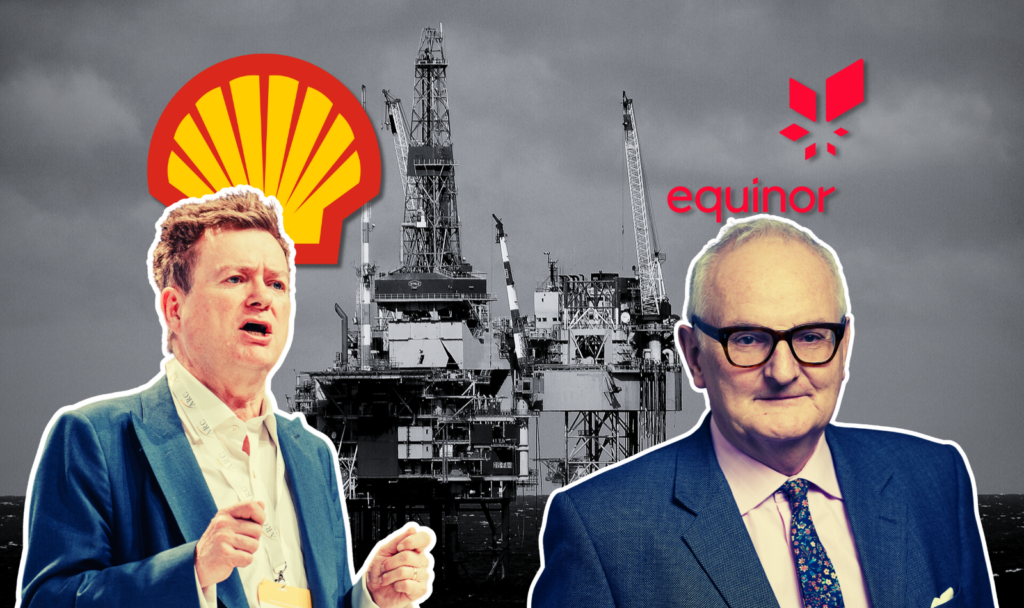
TotalEnergies-backed lobbies, including the London-based International Association of Oil and Gas Producers (IOGP) and Brussels-based Eurogas, have played a leading role in the fossil fuel industry’s fight to delay the methane regulations, which the EU enshrined into law in August, 2024. The IOGP and Eurogas met 16 and 14 times with Brussels policymakers respectively to discuss the rules over the past 18 months, according to an October report by Friends of the Earth Europe.
TotalEnergies executive François-Régis Mouton, who has been on assignment to the IOGP since 2018, is playing a central role in lobbying by the fossil fuel industry and the Trump administration to delay the introduction of the EU’s methane rules by at least three years, DeSmog and French environmental newsroom Vert reported yesterday. In an October 2025 LinkedIn post quoted in that story, Mouton pledged to work with U.S. officials to “remove” the EU methane regulations.
In March 2026, the IOGP and FuelsEurope — another TotalEnergies-backed trade group — funded a study published by analysts Wood Mackenzie which concluded the EU methane rules “risks worsening the energy crisis” caused by the U.S.-Israeli war on Iran and Russia’s invasion of Ukraine. The study has been cited dozens of times across other trade groups’ and governments’ lobbying efforts to delay the rules.
The Wood Mackenzie study also appeared to inform an open letter signed in June 2026, by U.S. Energy Secretary Chris Wright, himself a former fracking CEO, and counterparts from Qatar, Algeria and Nigeria to the EU asking for the regulation to be halted.
Legal Options
Two months later, in May 2026, a TotalEnergies executive discussed potential legal avenues for both delaying the EU methane regulations and reopening the text for amendments with fellow members of a fossil fuel trade group, according to the internal emails viewed by DeSmog.
Ultimately, the European Commission followed a different legal pathway to propose a year-long delay. But sources close to industry discussions say TotalEnergies sees its lobby group memberships as a “shield” to allow it to work towards delaying, weakening and ideally defeating the regulations altogether while maintaining a posture of public support.
In separate statements to DeSmog, the IOGP, Eurogas and FuelsEurope told DeSmog that they support the EU Methane Regulation and its goals, and that their engagement with policymakers is intended to ensure that implementation is “workable”.
TotalEnergies is also a member of at least four U.S. lobby groups intent on opposing, weakening or delaying methane regulations in both the U.S. and the EU, according to DeSmog’s analysis. These include the Texas Oil and Gas Association (TXOGA) and the Washington-based Center for Liquefied Natural Gas (CLNG).
The CLNG is part of an informal group of U.S. and European trade groups coordinating on their lobbying strategies on the EU methane rules, which also includes Eurogas, the IOGP, and the API, according to two industry sources.
The CLNG has signed at least five open letters to the European Commission penned by fossil fuel industry coalitions calling for “targeted amendments” and a three-year delay to the EU methane rules.
In 2024, the TXOGA, which counts TotalEnergies among its members, sued the U.S. Environmental Protection Agency (EPA) over Biden administration-era rules that required oil and gas companies to reduce methane leaks, venting, and flaring. While the lawsuit was eventually combined with other suits from trade groups and states, including the API, TXOGA’s initial challenge staked a broader and more extreme stance, for instance, taking issue with the agency’s definitions of “new” versus “existing” methane sources and the entire programme set up to report large methane leaks. The Trump administration is now scrapping the vast majority of the legislation and the lawsuit is on pause.
Around the World
In Argentina, where TotalEnergies has significant natural gas interests, the TotalEnergies-backed Argentine Institute of Oil and Gas (IAPG) asked for a raft of measures that would weaken proposed methane laws at a 2024 hearing held by Argentina’s environment ministry.
The IAPG requested amendments including calculating company methane liabilities relative to the amount of oil and gas produced — rather than absolute methane emissions — and using a regime based on incentives rather than sanctions. A TotalEnergies executive is currently the treasurer of the IAPG, according to the IAPG website.
Last month Pouyanné, the TotalEnergies CEO, met with right-wing populist Argentine President Javier Milei — a key Trump ally in South America — to announce a $10 billion investment in new oil and gas developments in the country.
TotalEnergies-backed lobby groups have also pushed back on proposed national methane rules in Kazakhstan and Brazil.
In 2023, KazEnergy published a statement saying it wanted to see the “exclusion of methane from the list of marker substances” from new oil and gas production emissions limits. The Brazilian Institute of Oil, Gas and Biofuels responded to a 2025 government consultation on methane legislation by calling for greater flexibility around reporting and opposing third-party verification of standards.
The TXOGA, Center for LNG and IAPG did not respond to requests for comment.
Additional reporting by Ashley Braun