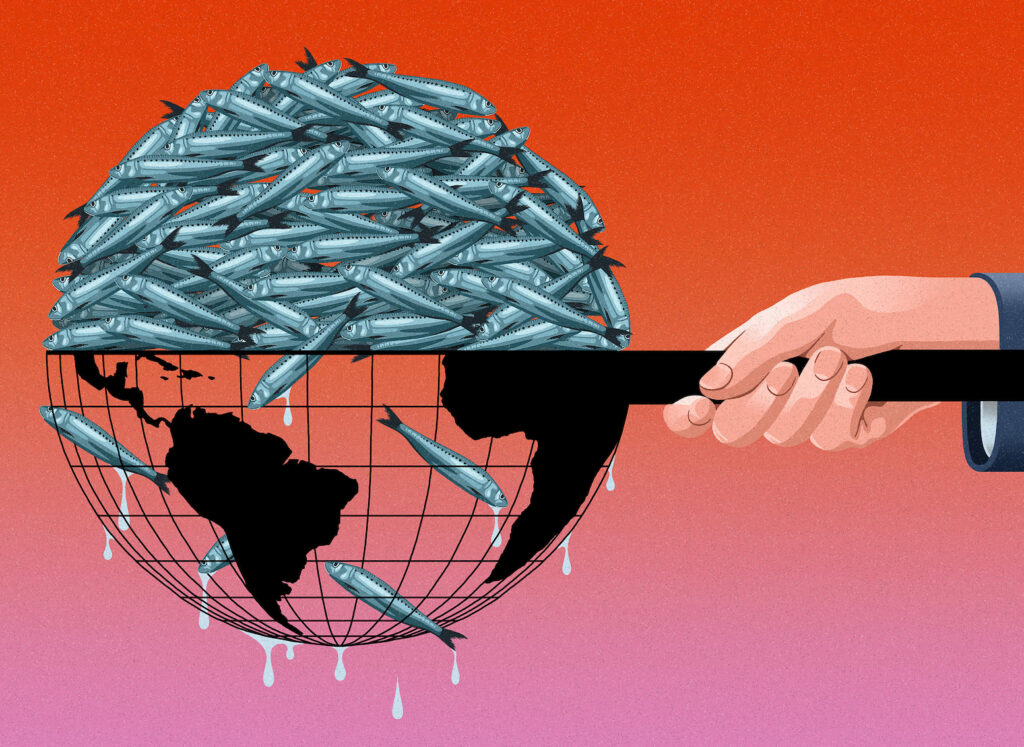
Spotlight on Industrial Aquaculture

Credit: Peter Reynolds

About the Series

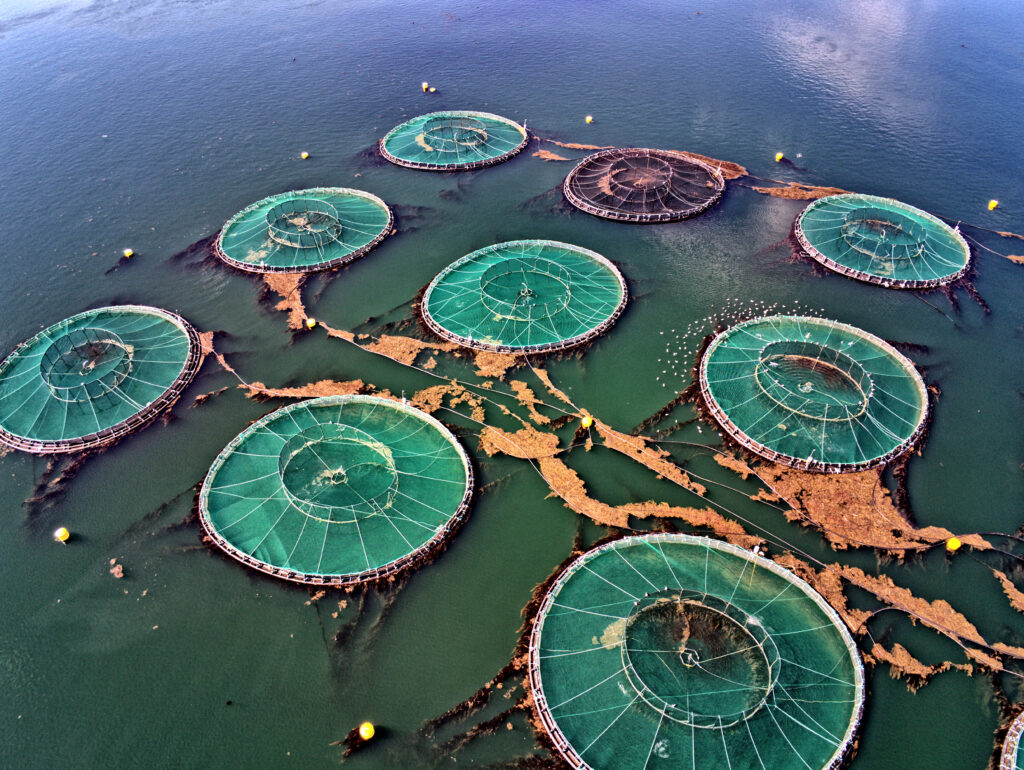
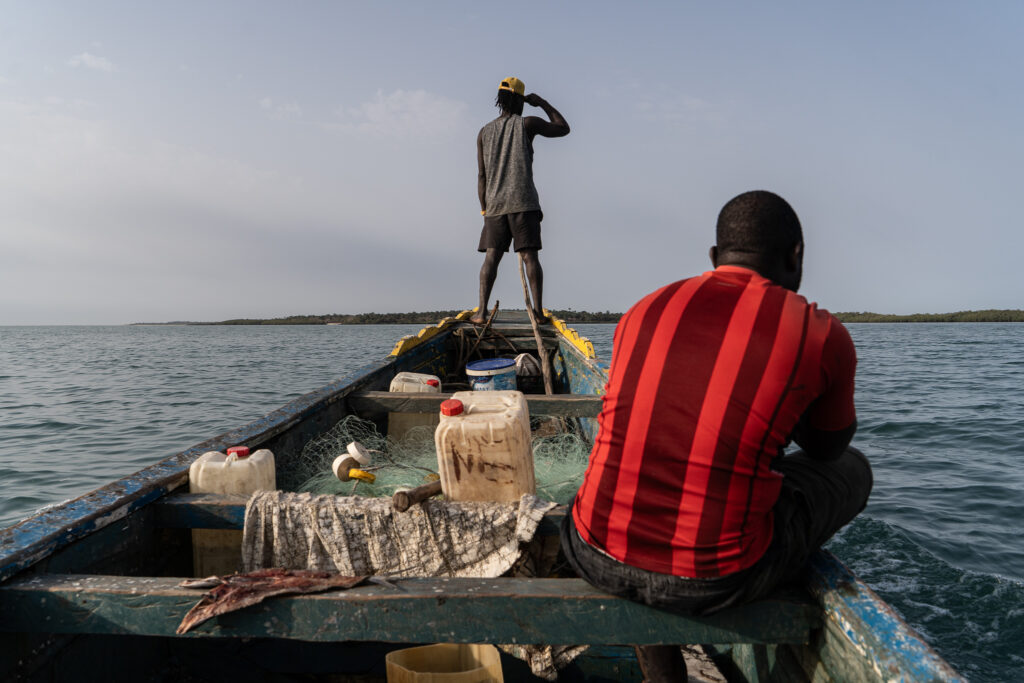
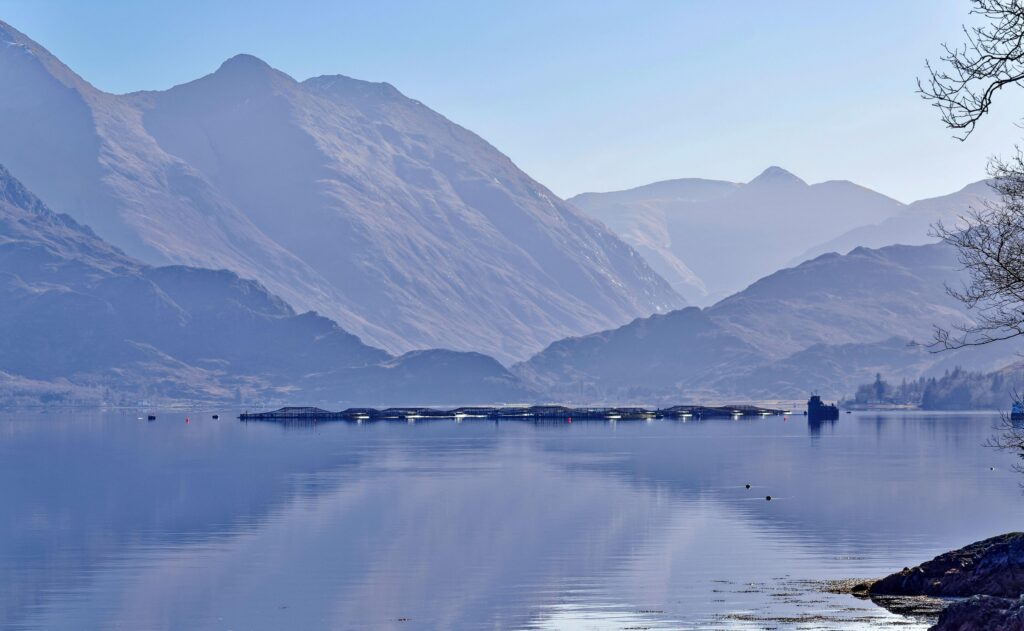
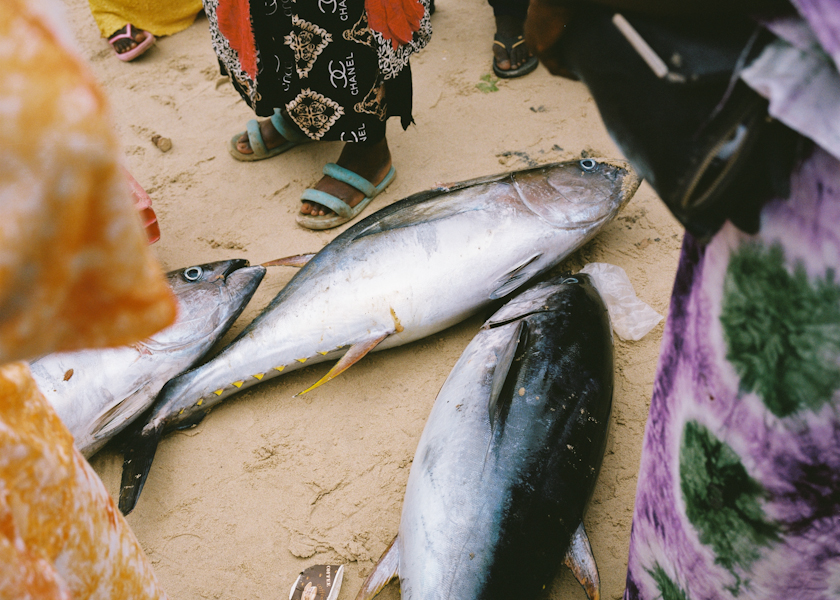
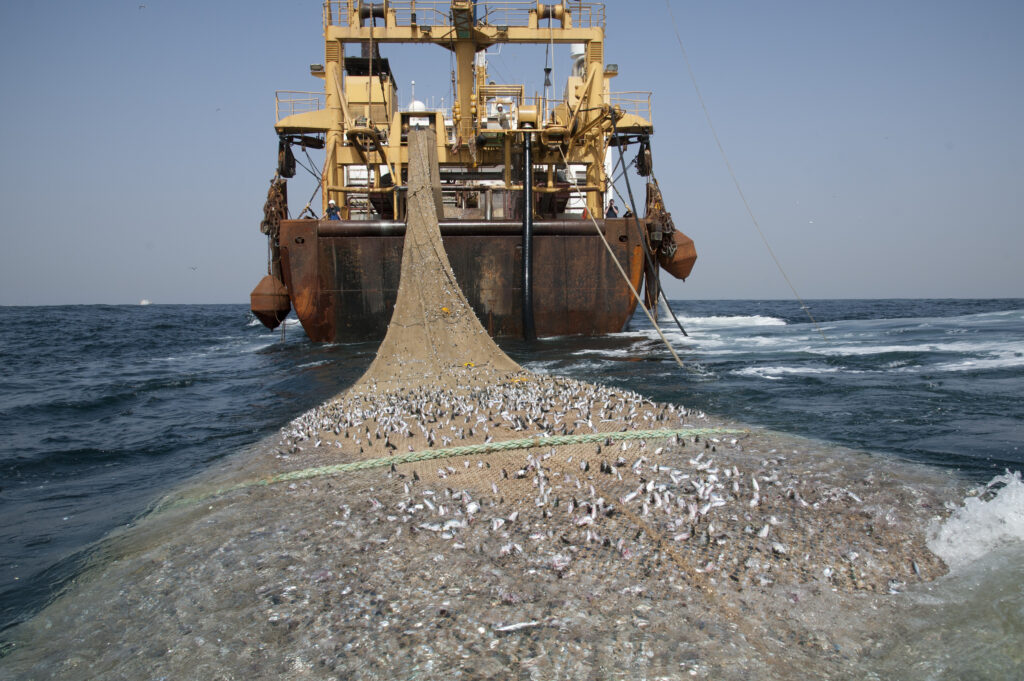
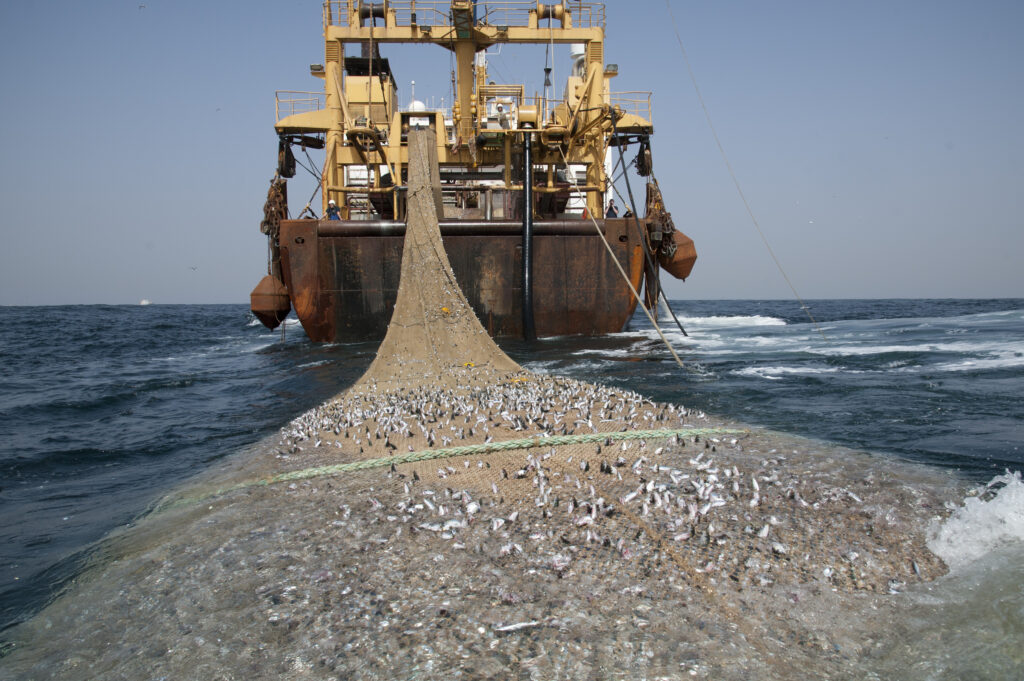
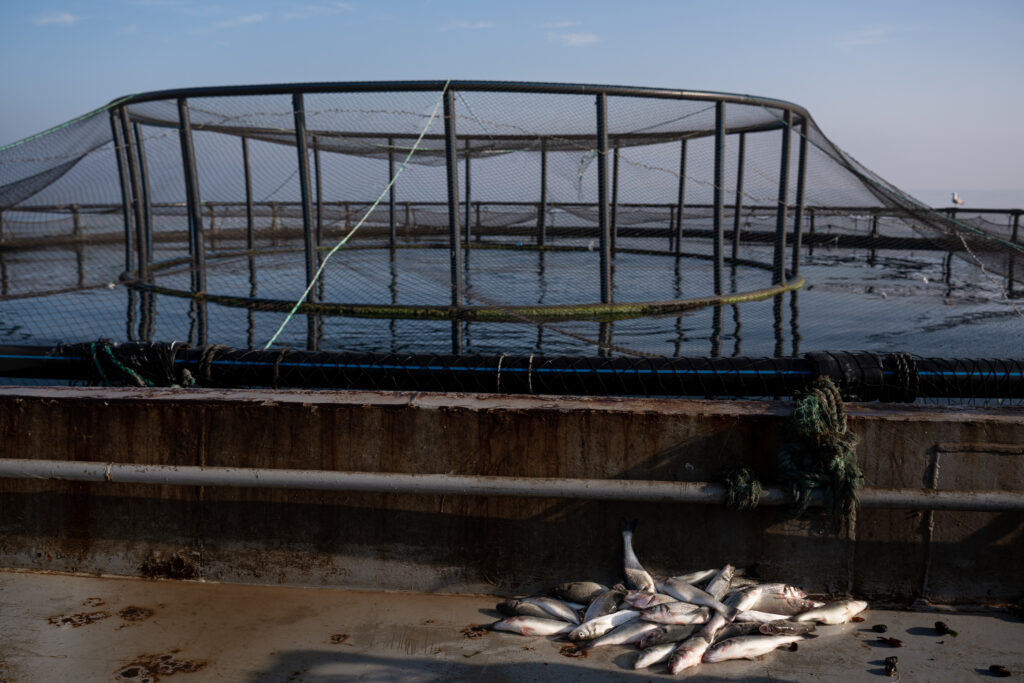
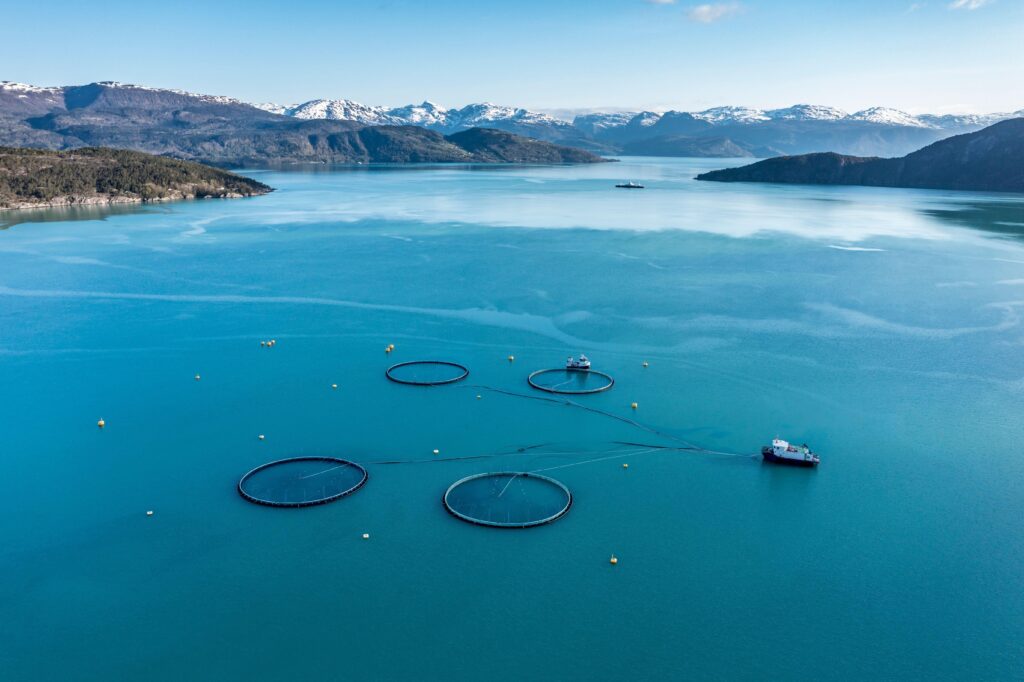
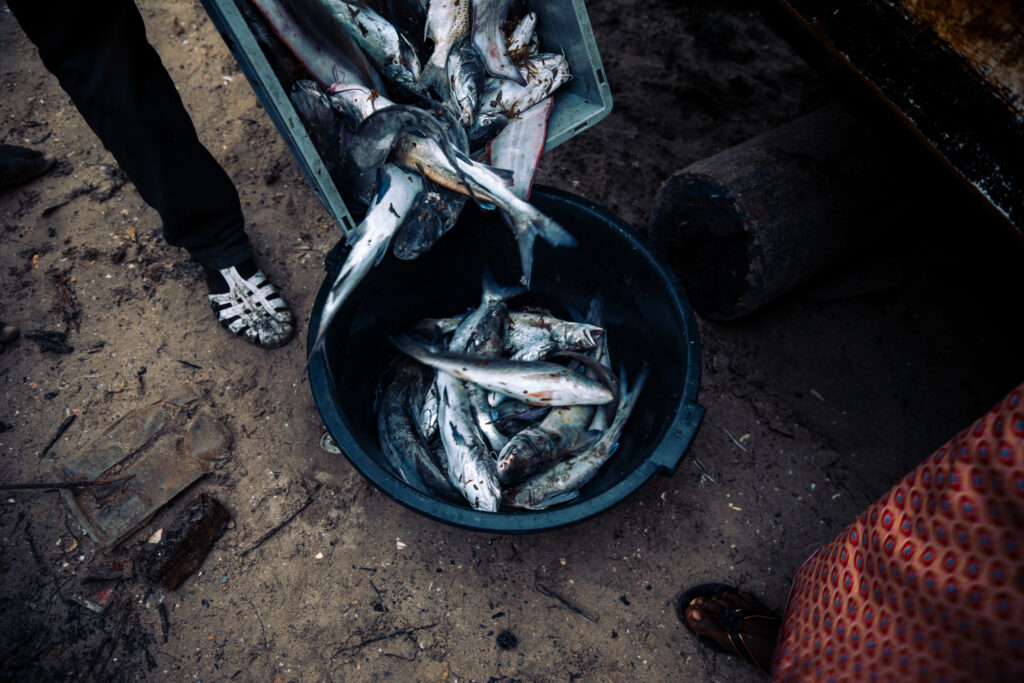
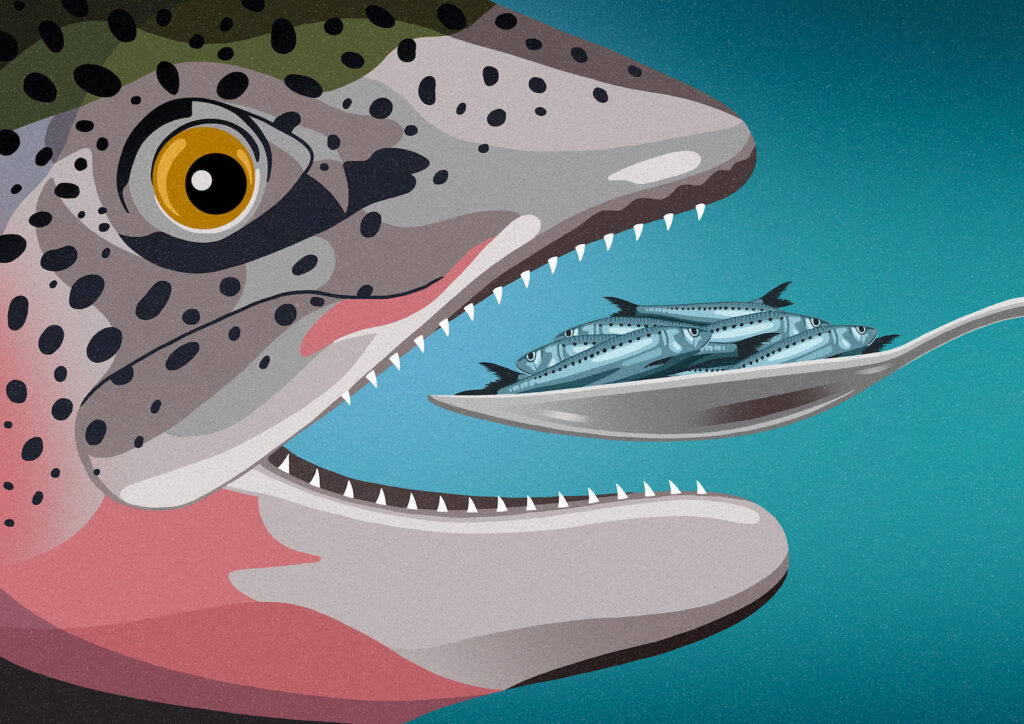
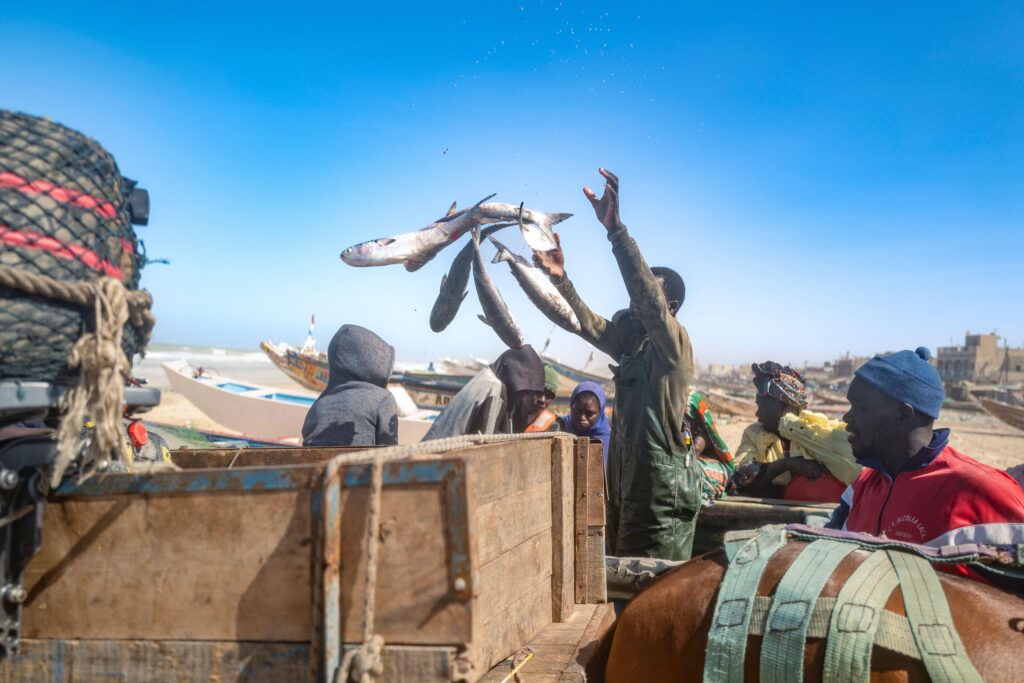
The seafood farming – or aquaculture – industry markets many of its products as low-carbon, healthy and sustainable. But there’s a hitch. Intensively reared carnivorous fish like salmon are fed on wild-caught fish. These small, nutritious species are harvested by the tonne in fragile, unregulated zones like West Africa, putting local access to food, fish stocks and jobs at risk.

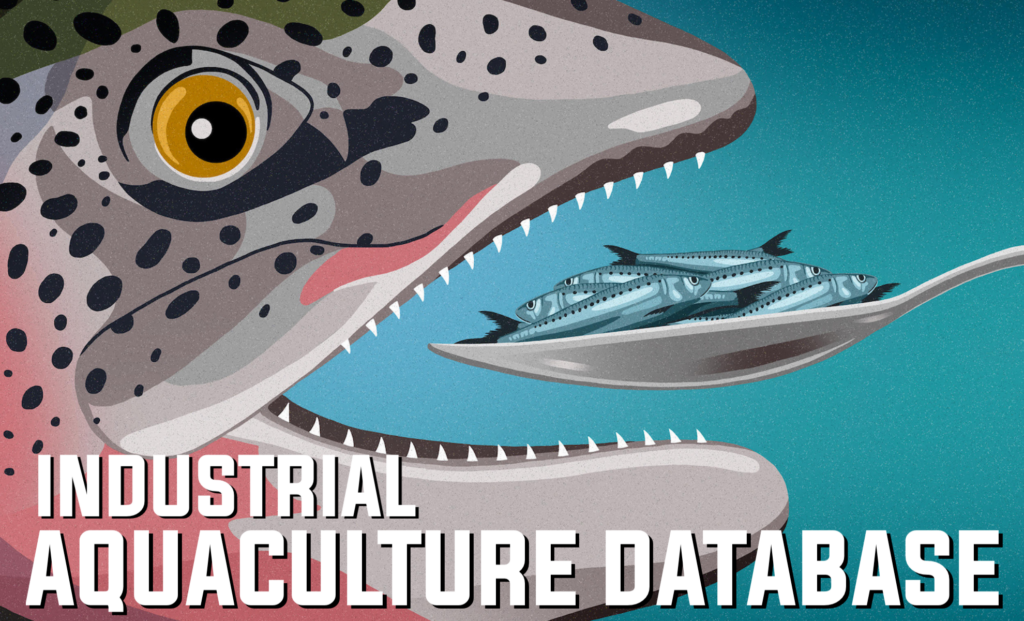
In our Industrial Aquaculture database, DeSmog scrunitizes the sustainability claims of major salmon producers and lobby groups, exploring ecological and social harms that range from damaging fish-feed supply chains, environmental pollution and increased pressure on over-exploited fish stocks.
In This Series

on
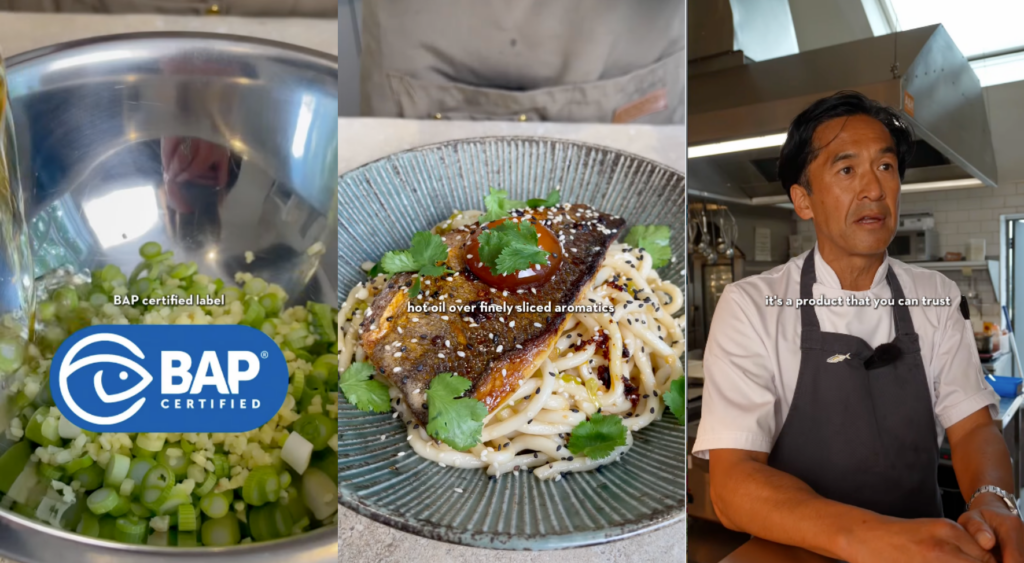
Celebrity chefs’ platform teams up with controversial seafood label, which certifies seafood linked to food insecurity and overfishing in West Africa.
on
Traditional fishing grounds off-limits as government pursues high-risk gamble on gas, say experts.
on
More farmed salmon will not necessarily bring better food security, say researchers.
on
Off-shore industrial boats illegally harvest thousands of tonnes of small fish vital to the marine food web in Guinea-Bissau, a DeSmog investigation with The Guardian reveals.
on
Salmon wagons and boat trips for schoolkids distract from environmental damage, say campaigners.
on
European consumers are “taking food out of our mouths”, say Senegal’s fishing communities.
on
Waitrose, Co-op, Lidl, Asda et Aldi figurent parmi les grands distributeurs qui commercialisent du poisson d’élevage nourri à partir de captures issues des côtes ouest-africaines
on
Waitrose, Co-op, Lidl, Asda and Aldi among retailers selling fish fed on west African catch
on
High demand for wild-caught species to feed farmed salmon and other fish is taking nutritious food away from low-income communities in the Global South.
on
Damage to oceans is releasing vast amounts of CO2, despite efforts to market fish as a sustainable food.
Les responsables de campagne critiquent des programmes volontaires « fortement défectueux », tandis que l’analyse de DeSmog révèle l'absence de représentation de la société civile ou des communautés locales affectées par les dommages causés par l’industrie des farines et huiles de poisson.
Campaigners criticise “highly flawed” voluntary schemes as DeSmog analysis finds lack of representation from civil society, or impacted communities.
on
As markets for salmon and sea bass expand, scientists, activists, and NGOs say fish farming endangers the environment and local communities.
on
Research reveals industrial salmon producers are depriving communities in West Africa of vital nutrients to fuel salmon consumption in wealthy countries like the UK.
on
Campaigners urge greater scrutiny of aquaculture, which relies on wild-caught fish as feed.
on
We put the sustainability claims of seafood companies under the spotlight.